Nanzenji Temple Kyoto 2026: Fees, Suirokaku & Guide
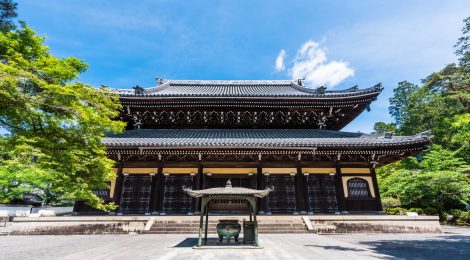
Kyoto has no shortage of celebrated temples, yet Nanzen-ji feels different. The vast Rinzai Zen complex at the foot of the eastern hills combines monumental wooden gates, quiet rock gardens and the unexpected brick arches of a nineteenth-century aqueduct. You can wander the main grounds for a low-cost visit or pay separately to explore the Sanmon, Hojo and Nanzen-in. It is also one of the best starting points for a self-guided Higashiyama walking day.
Nanzen-ji opening hours and tickets in 2026
According to the temple’s current official visitor guidance, admission to its principal paid areas operates from 8:40 a.m. to 5:00 p.m., March–November, and 8:40 a.m. to 4:30 p.m., December–February. Last admission is 20 minutes before closing, and general admission is suspended December 28–31. In 2026, adult admission is ¥600 each for the Hojo garden and Sanmon, and ¥500 for Nanzen-in. Charges are separate. The outdoor temple approach and aqueduct area can be appreciated without buying all three tickets. Confirm any special closures at the official Nanzen-ji admission page.
What to see at Nanzen-ji Temple
The Sanmon Gate and city views
The immense Sanmon gateway is a visual anchor of the complex. Visitors who pay for the upper level climb steep wooden stairs to a broad elevated viewpoint over roofs, maples and surrounding hills. Wear shoes that are easy to remove, take your time on the stairs and avoid assuming the upper floor will be accessible for all mobility levels. For another notable Kyoto shrine and photographic approach, see Heian Jingu Shrine a short way across the Okazaki area.
Hojo gardens and Zen design
The Hojo, once the abbot’s residence, has elegant interiors and a carefully composed karesansui dry-landscape garden. Rock placement, white gravel and clipped vegetation ask you to slow down and look rather than rush for a checklist photo. This is the most meaningful ticket for travelers interested in Zen design. The nearby subtemple Konchi-in is a worthy extension if you want another intimate garden, while Murin-an Garden demonstrates a different, later style of Japanese landscaping.
Suirokaku aqueduct: Kyoto’s most surprising photo spot
The red-brick Suirokaku aqueduct passes through the wooded temple grounds, carrying a branch of the Lake Biwa Canal. Completed in the Meiji period, it contrasts sharply with the Zen buildings but has become one of Nanzen-ji’s most memorable scenes. Photograph the repeating arches from the ground without obstructing foot traffic or climbing onto restricted masonry. If you enjoy modern-era architecture and cultural institutions, the National Museum of Modern Art, Kyoto is within the broader Okazaki cultural district.
Nanzen-in, Tenju-an and nearby temples
Smaller grounds around Nanzen-ji reward travelers who can spend more than an hour here. Nanzen-in’s mossy pond garden is especially atmospheric after rain; other subtemples can have different access arrangements. The neighboring Eikando Zenrinji Temple is an outstanding autumn-leaf extension, while Chion-in Temple and Maruyama Park create a separate southbound Higashiyama trail.
How to get to Nanzen-ji
Keage Station on the Kyoto Tozai subway line is the most straightforward rail access, followed by a walk of roughly ten minutes. From Kyoto Station, subway connections generally avoid some of the city’s worst street congestion. Bus services can be convenient depending on where you are staying, but they become crowded during peak spring and autumn travel. Allow a little extra time for the slopes, street crossings and photo stops along the way.
A half-day walking itinerary through eastern Kyoto
Option one: Nanzen-ji to the Philosopher’s Path
Begin at Keage, visit the Sanmon and Suirokaku, then devote time to the Hojo gardens. Continue north past Eikando towards the Philosopher’s Path and eventually Ginkaku-ji, the Silver Pavilion. This route is a leisurely walk with several paid garden options; choose only the temples that match your interests rather than buying every ticket. In spring it is especially rewarding for cherry blossoms; in late autumn, the maples can be exceptional.
Option two: temples, art and Gion
After Nanzen-ji, explore the Okazaki museums or head south towards Yasaka Shrine and traditional lanes in Gion. Stop at Kennin-ji Temple for another major Zen complex or visit Kyoto National Museum on a separate cultural afternoon. For travelers staying several days, excursions to Sanzen-in Temple and Daigo-ji Temple are better treated as standalone trips.
Best time and visitor etiquette
The maple season typically reaches its most colorful period in November, while spring adds blossoms and vibrant new leaves. Photogenic corners become crowded from mid-morning onwards. Arrive early, keep voices low in paid halls, avoid flash photography where prohibited and never enter closed tatami or garden sections. Nanzen-ji remains an active religious site rather than just a film set.
Nanzen-ji FAQ
Is Nanzen-ji free to visit?
You can enjoy the main approach and many exterior views without buying every ticket. The Sanmon upper level, Hojo gardens and Nanzen-in charge separate admission fees.
How long should I spend at Nanzen-ji?
Plan roughly 60–90 minutes for exterior sightseeing and one paid area. Allow two hours or more if you want the gardens, Sanmon climb, photography and nearby subtemples.
What should I combine with Nanzen-ji?
The best natural additions are Eikando, the Philosopher’s Path and Ginkaku-ji. For a longer day, continue towards Gion or the Okazaki museum district.
Address and Google Maps
Nanzenji Fukuchi-cho, Sakyo Ward, Kyoto, Japan.
Find directions on Google Maps