Okutama Tokyo 2026: Lake, Hikes, Caves & Day Trip Guide
Okutama feels far removed from the crowded streets of central Tokyo, even though this mountainous district is still within the metropolitan boundary. Forests, the Tama River, the reservoir known as Lake Okutama, limestone caves and mountain temples make it a year-round escape for hikers and nature lovers. This guide focuses on practical choices: the attractions are spread along a large mountain corridor, and you cannot comfortably visit the lake, cave and all hiking areas on a single day using buses.
Things to do in Okutama
Lake Okutama and Mugiyama Floating Bridge
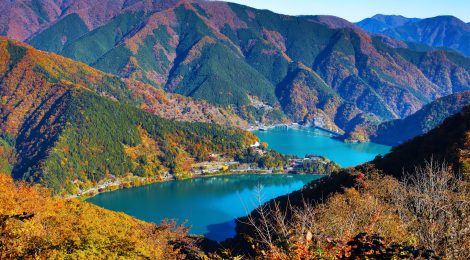
The reservoir, surrounded by wooded slopes, offers a calm lakeside environment with changing autumn colors. The floating pontoon bridge at Mugiyama is popularly called the Drum Bridge, though modern flotation materials are not necessarily actual drums. Access depends on water levels and maintenance, so check current signs before crossing. This is not a general-use swimming lake; respect water-supply and recreational restrictions. The quieter Shosenkyo Gorge and Naruko Gorge illustrate different regional river landscapes and are separate travel destinations.
Nippara Limestone Cave
Nippara is one of the most striking underground attractions in the Kanto region. The official cave association lists ¥900 adult admission, ¥700 for junior-high students and ¥600 for elementary children. Hours are 9 a.m.–5 p.m. April–November and 9 a.m.–4:30 p.m. December–March, with closure December 30–January 3. The cave remains around 11°C year-round, so bring a jacket even in August. Uneven floors and steep, damp steps make sturdy footwear essential.
How to reach Nippara Cave without a car
Take a bus from Okutama Station towards Nippara; the weekend bus may terminate farther from the cave than the weekday service, leaving a walk of around 25 minutes rather than only five. Rural service is limited, and the last return bus is more important than the distance shown by a map app. Confirm the current time and road condition before leaving, especially after heavy rain or snow.
Mount Mitake and the Rock Garden
The mossy Rock Garden and historic Musashi Mitake Shrine attract hikers to Mount Mitake, a nearby mountain accessed most conveniently via Mitake Station and a bus to the cable car. This is a different trailhead from Okutama Station itself. For a somewhat more accessible Tokyo mountain trip, Mount Takao and its Yakuoin Temple are alternatives requiring other trains and stops. Check route grades and daylight before committing to long mountain loops.
Tama River walks and outdoor activities
Around the station area, riverside walks and guided rafting or canyoning trips are popular in suitable weather. Water levels can change abruptly after rain, so never assume a gentle-looking stretch is safe to swim. Book qualified operators for rafting or canyoning, verify safety gear and wear appropriate footwear. Some river sections are private or restricted. Travelers wanting milder leisure may prefer a cafe overlooking the river or a short signed woodland path.
How to reach Okutama from central Tokyo
JR Ome Line to Okutama Station
A typical approach from Shinjuku uses the JR Chuo Line to Tachikawa and the JR Ome Line west to Okutama, with a possible transfer at Ome. Allow around 90–120 minutes or more depending on the service and departure point. Weekend through-services may vary, so use the exact dated railway timetable rather than assuming a direct train. From Okutama Station, local buses connect to the lake and cave, but these schedules are not synchronized for every route.
Driving and parking
A rental car saves some bus waiting, but mountain roads are winding, narrow and sometimes icy in winter. Parking near popular trailheads fills early on autumn weekends. Do not stop for photographs on shoulders where visibility is limited. Families looking for other easy-to-reach Tokyo green spaces might try Showa Memorial Park instead of a long mountain journey.
A realistic one-day Okutama itinerary
If this is your first visit, choose one anchor experience: the lake and a short walk, Nippara Cave, or a planned hike. An excellent low-stress option is arriving at Okutama Station in the morning, using a confirmed bus to the lake, enjoying lunch and returning before dark. For active visitors, reserve a full day for Mount Mitake, not a rushed extra stop after the cave. Other outdoors-oriented trips around Tokyo include Nagatoro’s Arakawa River, Hitsujiyama Park in its flowering season and the historical streets of Kawagoe.
Best time to visit and what to pack
Spring greenery and autumn leaf colors create particularly pleasant walks. Summer offers cooler river air but also storm risks; winter requires warm layers and caution on icy trails. Bring cash, a power bank, water and offline route maps, as cellular reception can be inconsistent in the valleys. If you’re keen on traditional Japanese culture, consider Omiya Bonsai Art Museum or Kawagoe’s warehouse quarter as easier rail-oriented outings on a different day.
Okutama FAQ
Is Okutama possible as a day trip from Tokyo?
Yes. Choose one main destination, check bus return times and account for mountain weather. The town and its attractions are spread over a wide area.
Can you swim in Lake Okutama?
Do not assume it is permitted. This is a reservoir with rules and safety restrictions; use designated activities and follow posted notices.
What is the Nippara Cave entry fee?
The published current rate is ¥900 for adults, ¥700 for junior-high students and ¥600 for elementary children. Verify before arrival.
Address and Google Maps
Okutama-machi, Nishitama District, Tokyo Prefecture, Japan.