Omori Iwami Ginzan 2026: Samurai Streets & Silver Mine Guide
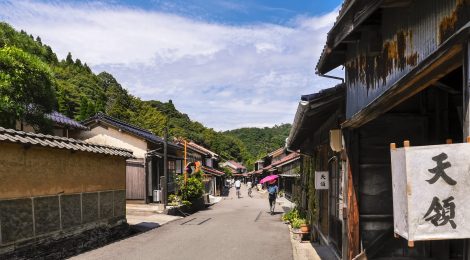
Omori, a historic street district in Shimane Prefecture, was once the administrative and merchant center of the Iwami Ginzan Silver Mine. Its tiled-roofed houses, narrow valley road, shrines and former magistrate buildings now offer a calmer way to understand one of Japan’s most influential early-modern mining regions. The main attraction is not a reconstructed theme park: people still live and work along this heritage street, and reaching the mine requires walking or locally permitted transport. This guide explains how to explore Omori respectfully and connect it to the UNESCO landscape.
Why is Omori historically important?
Iwami Ginzan became an internationally significant source of silver in the sixteenth and seventeenth centuries. The mining landscape later received UNESCO World Heritage recognition in 2007, including settlement and transport components as well as the workings. Omori’s role was administrative, residential and commercial rather than exclusively industrial. It is possible to see the traces of official power, merchant wealth and mining labor in one walk. Visitors seeking another window into western Japanese industry can explore Okuizumo’s traditional ironmaking heritage on a separate trip.
Omori streets and the old magistrate’s office
Begin at the historic lower town and walk along the preserved streets. The former Daikansho magistrate complex houses museum exhibits about the management of the silver fields. Old shop buildings and rooflines reveal the scale of trade that supported the mining district. Some homes are private, and museum opening hours are separate from general street access. A different preservation landscape awaits at Tsuwano Castle or the reconstructed architecture around Matsue Castle.
Kigami Shrine and the merchant residences
Kigami Shrine is a quiet stop associated with the town’s spiritual life and features a decorated ceiling. The large Kumagai family residence recalls the influence of prosperous local merchants, while the Kawashima Residence introduces the domestic world of a former samurai household. Check current tickets and interior access at each property; many visitors enjoy the street exteriors even when houses are closed. For a cultural contrast, pair a future journey with Kakunodate’s samurai streets in Tohoku.
Visit Ryugenji Mabu Mine Shaft
The historic Ryugenji Mabu shaft is among the principal publicly accessible tunnels in the wider mining area. The mine is not immediately at Omori’s town entrance; the JNTO guide describes it as roughly three kilometres from Omori, reached via walking or bicycles rather than by bringing private vehicles to the tunnel. The cool, confined passage is an experience different from above-ground ruins. Visitors with mobility concerns should check the route and interior restrictions before buying admission.
Walking, cycling and vehicle restrictions
Respect restrictions on ordinary vehicle access around the preserved mine approaches. Rental electric bicycles may be available in the district, but availability and age requirements vary. Walking from the main town to the tunnel and back can fill a substantial portion of the day, particularly with museum stops. Do not underestimate summer heat or wet paving. Use designated parking and avoid driving through narrow residential lanes.
How to get to Omori
By rail and bus from Oda-shi
JR Oda-shi Station is a practical rail gateway; local buses connect towards the Iwami Ginzan visitor area and historic Omori district. Services are not metro-frequency and may change with the season, so confirm the final return before exploring the mine. The World Heritage Center outside the village is a useful orientation point with visitor guidance and exhibitions. Bring cash for smaller businesses and plan the route as an all-day excursion rather than a quick roadside stop.
From Hiroshima or other Shimane destinations
The JNTO regional guide identifies a highway-bus connection from Hiroshima to the Iwami Ginzan area, but actual operators and timetables should be checked before booking. A Shimane itinerary can also be built around Izumo Taisha Shrine, Shimane Museum of Ancient Izumo and Hinomisaki Lighthouse. Those landmarks are separate road or train excursions, not walking-distance additions to Omori.
Food, workshops and the local atmosphere
Small cafes and craft shops operate within restored historic houses, but their schedules can be limited. Take time for lunch and to appreciate the quiet streets rather than treating locals as props for photographs. Regional performance traditions can be introduced through Iwami Kagura; show dates and venues need to be booked separately. Visitors interested in a different museum-and-garden itinerary could spend another day at Adachi Museum of Art or Izumo Museum of Quilt Art.
Suggested one-day itinerary
Begin at the World Heritage Center or the main Omori bus stop, then explore the magistrate museum, shrine and residential lanes. Lunch in town gives you a rest before walking or cycling towards Ryugenji Mabu. Return in time for the last bus. If you have a car and an additional day, consider the coast around Iwami Seaside Park, the castle grounds at Matsue Jozan Park or the performing arts tradition in Tsuwano’s mounted archery festival when its annual dates match.
What to know before visiting
This is a protected historic environment with working streets and fragile structures. Respect no-entry signs and individual businesses’ photography policies. Wear shoes suited to uneven paths, carry water in warm months, and bring a jacket for the mine shaft. Visitors planning a larger Sanin region tour could later enjoy the dunes at Tottori Sand Dunes; they are far away and need their own itinerary.
Omori and Iwami Ginzan FAQ
Is Omori the same as the mine tunnel?
No. Omori is the historic settlement; the Ryugenji Mabu mine shaft is farther along the former mine route.
How much time should I spend?
Plan at least half a day for the town alone. A full day is better if visiting the underground shaft and museums.
Can I drive to the tunnel entrance?
Ordinary private vehicles are restricted from the mine approach. Use designated parking and locally authorized transport, walking or bicycles.
Address and directions
Omori-cho, Oda City, Shimane Prefecture, Japan.