Sagawa Art Museum: Explore Contemporary and Traditional Art
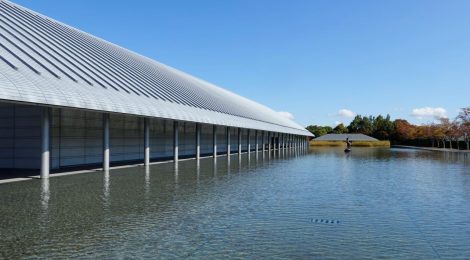
The Sagawa Art Museum, often referred to as “the floating museum,” is a mesmerizing destination for art enthusiasts located in Moriyama, Shiga Prefecture. This museum is renowned for its impressive collection of Nihonga paintings, bronze statues, and ceramics, all housed within a stunning architectural design that gives the illusion of a structure floating on an artificial pond. This unique feature not only enhances the museum’s aesthetic appeal but also creates a serene and ethereal atmosphere that captivates visitors.
A Showcase of Japanese Art
Contemporary Artists
One of the standout features of the Sagawa Art Museum is its collection of works by three of Japan’s leading contemporary artists: Ikuo Hirayama, Sato Churyo, and Jikinyu Raku (formerly known as Kichizaemon Raku). These artists have made significant contributions to the modern Japanese art scene, and their works are permanently displayed in the museum. Each artist brings a unique perspective and style, offering visitors a diverse and enriching artistic experience.
Ikuo Hirayama
Ikuo Hirayama is celebrated for his Nihonga paintings, a traditional Japanese style that uses natural pigments and paper. His works often depict historical and spiritual themes, reflecting his deep connection to Japan’s cultural heritage.
Sato Churyo
Sato Churyo’s bronze statues are known for their intricate details and lifelike quality. His sculptures capture the essence of his subjects, bringing them to life with a sense of movement and emotion.
Jikinyu Raku
Jikinyu Raku, the current head of a family of pottery masters dating back 450 years, is renowned for his ceramics used in the tea ceremony. His pieces embody the principles of “wabi-cha,” a style of tea ceremony that emphasizes simplicity, harmony, and respect.
Ceramics and the Art of Tea Ceremony
The Sagawa Art Museum’s dedication to showcasing Japanese ceramics, especially those used in the tea ceremony, is another highlight. The museum features an underwater room and a tearoom where visitors can appreciate the works of Jikinyu Raku. These pieces not only represent exquisite craftsmanship but also offer insight into the cultural significance of the tea ceremony in Japan. The art of tea, known as sado, is a practice that embodies the principles of mindfulness and tranquility, and the museum provides an immersive experience into this refined tradition.
Architectural Marvel

The Floating Design
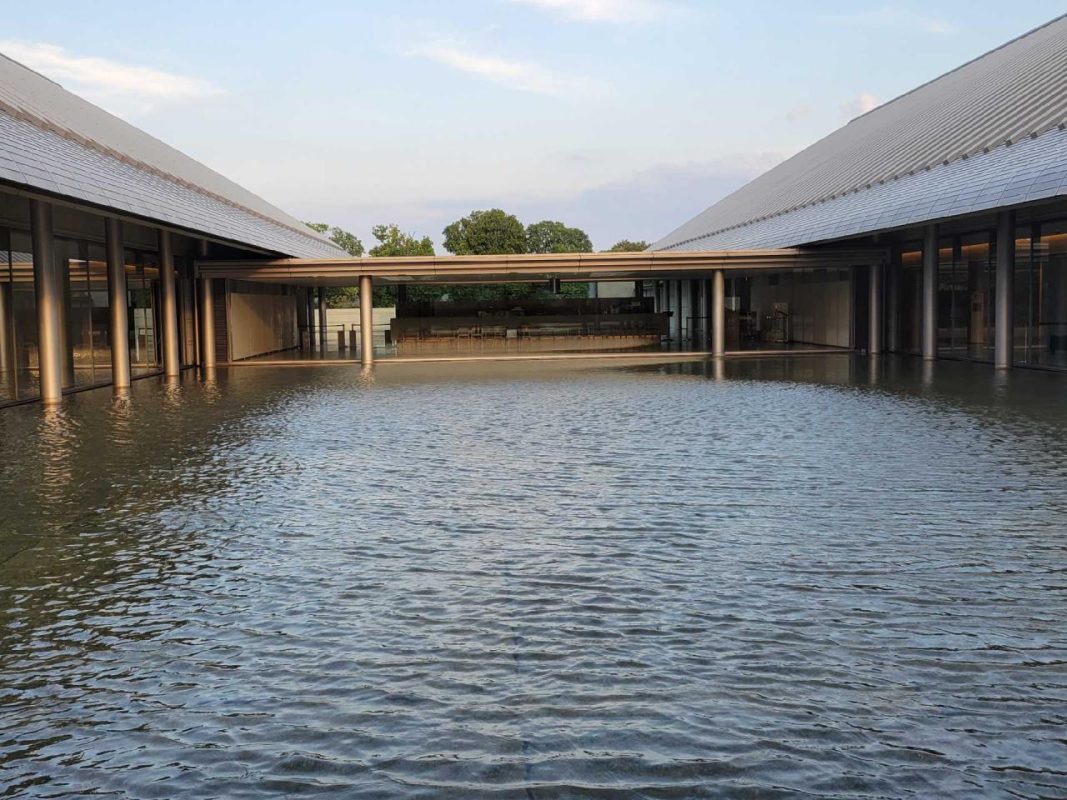
Opened in 1998 to commemorate the 40th anniversary of the Sagawa Express shipping company, the Sagawa Art Museum is itself a work of art. The building is designed to appear as if it is floating on water, creating a visually stunning effect that enhances the overall experience. The gabled-roof structure, surrounded by a tranquil pond garden, adds to the serene and ethereal atmosphere of the museum.
The Surrounding Garden
The pond garden that encircles the museum is meticulously landscaped, offering a peaceful retreat for visitors. The reflections of the museum in the water, combined with the changing seasons, provide a constantly evolving backdrop that enhances the beauty of the art within.
Cultural and Historical Treasures
National Treasure
The Sagawa Art Museum is home to a National Treasure—a temple bell from the west bell tower of Mt. Hiei, a sacred mountain in Japan. This bell holds great historical and cultural value, adding to the museum’s prestigious collection.
Exhibits and Collections
The museum houses a diverse array of artworks, from ancient ceramics to modern sculptures, each carefully curated to provide a comprehensive overview of Japan’s artistic heritage. The rotating exhibits ensure that there is always something new to discover, making each visit a unique experience.
Visiting the Sagawa Art Museum

Accessibility
The Sagawa Art Museum is accessible by train and bus. From Kyoto, visitors can take the JR Kosei Line to Katata, followed by a 15-minute bus ride. Alternatively, the JR Biwako Line to Moriyama and then a 30-minute bus ride is another convenient option. For those traveling by shinkansen, connecting to the JR Biwako Line at Kyoto or Maibara is a straightforward route.
Seasonal Beauty
The museum’s ambiance changes with the seasons, offering different perspectives and experiences throughout the year. Whether it’s the vibrant colors of spring, the lush greenery of summer, the rich hues of autumn, or the serene beauty of winter, each season brings a new dimension to the museum’s allure.
Conclusion
The Sagawa Art Museum, known as “the floating museum,” stands as a remarkable testament to Japan’s rich artistic heritage. With its extensive collection of Nihonga paintings, bronze statues, and ceramics, the museum offers a captivating and immersive experience for visitors. The unique architectural design, resembling a floating structure, creates a serene and ethereal atmosphere that enhances the appreciation of the art within. For those passionate about Japanese culture and art, a visit to the Sagawa Art Museum is an opportunity to delve into the profound and diverse traditions that define Japan’s artistic legacy. Whether it’s the works of renowned contemporary artists or the intricate ceramics used in the tea ceremony, the museum provides a comprehensive and enriching journey into the world of Japanese art.
Address And Maps Location
2891 Kitakawa, Suibo-cho, Moriyama-shi, Shiga-ken
Subscribe, follow @idbcpr and idbackpacker.com