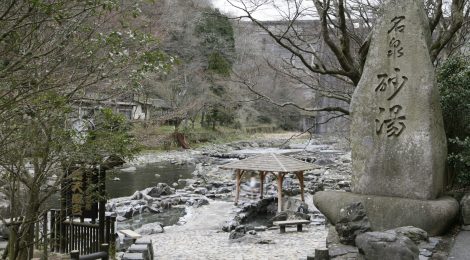
Yubara Onsen
Relaxation and Hot Springs (Onsen) in japan
Introduction:
Japan is a country known for its rich cultural heritage, stunning landscapes, and unique traditions. Among its many attractions, relaxation and hot springs, or onsen, hold a special place. These natural hot springs have been a source of relaxation and therapeutic benefits for centuries. In this article, we will explore some of the most popular relaxation spots and onsen in Japan, highlighting their unique features and experiences.
I. Relaxation:
Relaxation is an integral part of Japanese culture, with various activities and destinations dedicated to providing a peaceful and rejuvenating experience. From serene gardens to tranquil temples, there are numerous ways to unwind and find inner peace in Japan.
1. Japanese Gardens:
Japanese gardens are renowned for their meticulous design and serene ambiance. These gardens are often characterized by carefully arranged rocks, flowing water, and meticulously pruned trees and shrubs. One of the most famous Japanese gardens in Japan is the Kenroku-en Garden in Kanazawa. This garden offers a peaceful escape from the bustling city and provides a serene atmosphere for visitors to relax and enjoy the beauty of nature.
2. Zen Temples:
Zen temples are another popular destination for relaxation in Japan. These temples offer meditation sessions and Zen teachings, allowing visitors to find inner peace and tranquility. One of the most famous Zen temples in Japan is the Ryoan-ji Temple in Kyoto. Known for its iconic rock garden, this temple provides a serene environment for meditation and contemplation.
3. Tea Ceremonies:
Tea ceremonies are an important part of Japanese culture and are often regarded as a form of relaxation. These ceremonies involve the preparation and serving of matcha, a powdered green tea. The process is highly ritualized and emphasizes mindfulness and tranquility. Visitors can experience traditional tea ceremonies in tea houses throughout Japan, such as in the historic district of Gion in Kyoto.
II. Hot Springs (Onsen):
Hot springs, or onsen, are natural geothermal baths that are believed to have various health benefits. Japan is blessed with numerous hot springs, each with its own unique qualities and healing properties. Let’s explore some of the most popular onsen in Japan:
1. Sekigane Onsen:
Located in Tottori Prefecture, Sekigane Onsen is a hidden gem nestled amidst lush green mountains. The hot spring waters here are known for their high mineral content, offering therapeutic benefits for the skin and body. Visitors can soak in the outdoor baths while enjoying the breathtaking scenery of the surrounding nature.
2. Yubara-onsen Hot Spring:
Situated in Maniwa-shi, Okayama-ken, Yubara-onsen Hot Spring is renowned for its healing properties. The hot spring waters here are said to improve blood circulation and relieve muscle fatigue. Visitors can relax in the open-air baths while admiring the picturesque views of the countryside.
3. Hiruzen Herb Garden HerBill:
Located in Okayama Prefecture, Hiruzen Herb Garden HerBill is a unique onsen that combines the healing powers of hot springs with the soothing aroma of herbs. The hot spring waters here are infused with herbal essences, creating a truly rejuvenating experience for visitors. In addition to the baths, the herb garden offers a tranquil setting for relaxation and exploration.
III. Experiences and Cultural Significance:
Apart from the physical relaxation and health benefits, onsen in Japan also hold cultural significance and provide unique experiences for visitors.
1. Onsen Etiquette:
Visiting an onsen in Japan comes with certain etiquettes and traditions that visitors should be aware of. For example, it is customary to fully wash and cleanse the body before entering the baths to maintain cleanliness and hygiene. Additionally, tattoos are often prohibited in onsen due to their association with the yakuza (Japanese organized crime groups).
2. Ryokan Stay:
Many onsen are located within traditional Japanese inns called ryokans. Staying in a ryokan provides a complete immersion into Japanese culture and hospitality. Guests can experience traditional tatami rooms, wear yukatas (light cotton robes), and enjoy kaiseki (multi-course) meals. The combination of an onsen experience with a ryokan stay offers a truly authentic and memorable experience.
3. Seasonal Beauty:
Each season in Japan brings its own unique charm to the onsen experience. In spring, visitors can enjoy the cherry blossoms while soaking in the hot springs. In autumn, the vibrant colors of the changing leaves create a picturesque backdrop for relaxation. Winter offers the opportunity to soak in the warm waters while surrounded by snow-covered landscapes.
Conclusion:
Relaxation and hot springs (onsen) are an integral part of Japanese culture, providing a sanctuary for relaxation, healing, and cultural immersion. Whether you choose to explore the serene gardens and temples or indulge in the therapeutic benefits of the onsen, Japan offers a unique and unforgettable experience for those seeking tranquility and rejuvenation. So, why not plan a trip to Japan and discover the true meaning of relaxation in this beautiful country?
Address And Maps Location:
Maniwa-shi, Okayama-ken
Subscribe, follow @idbcpr and idbackpacker.com