Yunomine Onsen 2026: Tsuboyu Tickets & Kumano Kodo
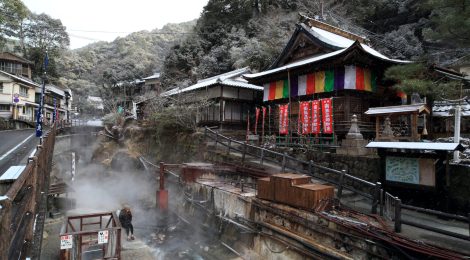
Yunomine Onsen is a tiny traditional hot-spring settlement in the mountains of Wakayama, closely linked to the Kumano Kodo pilgrimage routes. Steam rises beside the valley stream, inns cluster around narrow streets and the celebrated Tsuboyu bath forms part of the UNESCO-listed sacred pilgrimage landscape. The most important practical detail is that Tsuboyu is a very small private bath that operates in timed slots rather than a general swimming pool. In 2026 official tourist information lists adult entry at ¥800 for a thirty-minute private-use session.
2026 visitor essentials
- Location: Hongu area, Tanabe City, Wakayama Prefecture
- Tsuboyu: ¥800 adults, ¥400 children under twelve
- Tsuboyu private bathing: 30-minute sessions; 6 a.m.–9 p.m.
- Public Bath: ¥400 adults; Kusuri bath ¥600 adults
- Last ticket reception normally 8:30 p.m.
- Kumano Kodo pilgrimage context and UNESCO World Heritage association
Why Yunomine is important to pilgrims
The hot springs have a long tradition associated with travelers passing through the Kumano sacred landscape. Pilgrims historically bathed as part of purification and recovery from long journeys. The village remains a lived-in place, not a staged open-air museum. Visitors can learn about Kumano worship traditions while respecting residents’ privacy and avoiding photography inside bathing areas.
History and the atmosphere on site
A cultural or religious destination deserves more than a quick photograph. Read interpretive signs and allow staff and worshippers space to go about their activities.
Tsuboyu: tickets and private-bath rules
Tsuboyu is a small stone bath beside the stream and usually accommodates visitors privately in thirty-minute intervals. The official tourism association lists an ¥800 adult fee and ¥400 for children, with sessions running between 6 a.m. and 9 p.m. subject to cleaning and operating rules. Buy your ticket at the public bath counter, follow any waiting procedure, and understand that heavy demand can create queues. No advance admission guarantee should be assumed from an old article.
How timed entry or seasonal access works
A date or price in a travel article is not a permanent promise. Refer to the operating authority before purchasing transport or scheduling a tightly timed day.
Relevant travel routes and internal guides
For regional context, kumano hongu taisha shrine, kumano nachi taisha shrine, seigantoji temple, nachi katsuura offer complementary places to explore. Their opening conditions are separate from this destination.
Heritage and landscape extensions
Travelers can also compare kawayu onsen, senjojiki wakayama, wakayama castle, tokoji temple wakayama. Plan each based on real travel times and the season.
Public bath, Kusuri bath and bathing etiquette
The village’s public bath and Kusuri bath have separate adult admission rates of ¥400 and ¥600 respectively according to the regional tourism bureau. Certain ticket combinations allow an additional regular bath visit. Wash thoroughly as instructed, never wear swimwear where bathing rules prohibit it, and do not use soap inside a facility that disallows it. The natural spring water can be very hot; test temperature carefully and leave if dizzy or unwell.
Visitor safety and respectful behavior
Observe posted closures, avoid photographing private activities without consent, and never step into an area reserved for staff or worshippers.
How to get to Yunomine and where to stay
Travelers often access the Kumano Hongu region by regional buses from railway points such as Kii-Tanabe, Shingu or Kii-Katsuura, with total journeys depending heavily on connections. Bus frequency can be sparse, so verify last departures rather than trusting a routing app’s theoretical connection. Small inns and minshuku offer local meals and bathing; check check-in times and meal arrangements before hiking a long trail.
Public transport and real travel times
Even destinations described as close on a map may require transfers or extra walking. Check last departures and avoid taking large luggage into narrow heritage paths.
Alternative cultural routes
Other distinctive journeys include nachi ougi matsuri nachi fire festival, koyasan shukubo temple lodgings, koyasan candle festival, shirahama beach; these are not necessarily part of a single walk.
Combining Yunomine with Kumano Kodo
The nearby Kumano Hongu Taisha is a major sacred destination and connects with pilgrimage walks and regional history. Hiking segments differ in length, steepness and suitability after rain. Do not use an onsen visit as a substitute for emergency planning on remote trails. In Yunomine itself, the stream-side cooking area has very hot water; handle food and equipment only where visitors are permitted and never reach into boiling water.
Suggested slow-travel route
Plan for both good and poor weather, leaving enough flexibility for queues, slower walking and unplanned local discoveries.
Longer Japan itineraries
For a multi-day holiday, consider shirarahama beach, takegawara onsen, shirahone onsen, hirayu onsen. Consult each destination’s own seasonal schedule and visitor rules.
Frequently asked questions
Can two people use Tsuboyu privately?
It is a small private-use bathing space, normally assigned in thirty-minute sessions under the operator’s rules.
How much is Tsuboyu in 2026?
The official adult price is ¥800; under-twelve children ¥400.
Do I need a swimsuit?
Standard Japanese onsen etiquette applies; follow the venue rules, which may prohibit swimwear.
Location and Google Maps