
23 Bali Waterfalls with Maps: Regions, Trails & Safety Tips
Updated for travel planning in October 2026. Bali is often associated with beaches, but its mountain valleys, farming landscapes and volcanic foothills also contain spectacular waterfalls. This guide introduces 23 waterfall locations across Buleleng, Gianyar, Bangli, Tabanan, Badung and Nusa Penida, retaining the original photos and Google Maps embeds while improving the geographic context and safety advice. The sites are spread across the island: the list is not a single-day driving itinerary or a claim that each location is operating under unchanged conditions.
Waterfall tourism is highly sensitive to recent rainfall, landslides, river levels and local access arrangements. A location pin identifies an attraction, not necessarily the current entrance, permitted path or safe swimming area. Check today’s information with village management, local guides and weather authorities before travelling. Bali’s provincial disaster agency and Indonesia’s meteorological agency warn that heavy rain can produce rapid changes to rivers, slopes and access routes. Avoid entering water below powerful falls or crossing a river in high flow; never jump from rocks unless an authorised operator specifically supervises a permitted activity.
For broader trip planning, read the wider guide to things to do in Bali or compare these forest excursions with Bali’s coastline and beach activities. If you plan to visit several regions, the practicalities discussed in our Bali vehicle and driver planning guide are important: a short-looking map distance can still involve slow mountain roads or substantial walking from the parking area.
How to Use This Bali Waterfall Map Guide
Rather than attempting all 23, choose one geographic cluster: North Bali / Buleleng (Aling-Aling, Gitgit, Banyumala, Munduk, Sekumpul and surrounding falls), central-east Bali (Tibumana, Tegenungan, Goa Rang Reng, Tukad Cepung and Kanto Lampo), Tabanan and Badung highlands (Blahmantung, Nungnung and Leke Leke), or Nusa Penida (Peguyangan). Confirm local opening arrangements and any village-managed guides before you commit to a route.
About entrance charges: old articles often reproduce Rp5,000–Rp10,000 prices, but admission, guided-trek packages and access fees can change. Unless a recently checked operator explicitly confirms a specific fee, this guide deliberately omits it. The Indonesia Travel portal publishes visitor information for Tibumana and other eastern Bali attractions; for some destinations, however, the on-site operator is the only reliable source of today’s access terms.
1. Aling-Aling Waterfall

1. Aling-aling Waterfall! via @factearth_bali
Aling-Aling is in the Sambangan area of Sukasada, Buleleng, in northern Bali. Its steep green ravine and neighbouring cascades are attractive for travellers seeking a guided nature outing rather than an easy roadside viewpoint. Distinguish the main Aling-Aling fall from other water features used for organised canyoning and sliding activities. Waterfalls and jumping points have different rules; do not treat a dramatic visitor photo as an invitation to leap into an unassessed pool. For routes and available activity packages, compare the dedicated Aling-Aling visitor guide and confirm supervision locally. Hiking down steps and returning uphill require suitable footwear and fitness.
2. Gitgit Waterfall

2. Gitgit Waterfall via @adrianserwin
Gitgit is reached from the Singaraja–Bedugul corridor in Buleleng, making it a practical northern Bali stop for travellers crossing the highlands. The main appeal is a tall cascade in a lush valley, rather than a beach-style swimming experience. A path leads down from the access area, and some sections may become slippery after rain. Vendors and local facilities can change, so confirm current admission and the correct entry point. The separate Gitgit Waterfall guide offers more context. For an overnight northern-Bali stay, Lovina’s coastal area is a distinct base, not part of the waterfall grounds.
3. Tibumana Waterfall

3. Tibumana Bali Waterfall. via@angelica_stasya
Tibumana lies around Apuan in Bangli Regency, east of Ubud. It is often chosen for a relatively short waterfall outing among rural roads and vegetation, but paths and river-edge conditions are not constant. The plunge pool should never be presumed safe to enter simply because other travellers appear in photographs; ask local staff about water levels and barriers. Indonesia’s official tourism information covers Bali’s waterfall attractions, but specific gate fees may change independently. The dedicated Tibumana Waterfall article provides a more focused introduction. Travellers staying around Ubud can also consider the area’s non-waterfall activities rather than trying to collect multiple separate river valleys in one afternoon.
4. Peguyangan Waterfall

4. Peguyangan Waterfall
Peguyangan is on Nusa Penida, separate from mainland Bali. It is particularly known for its dramatic stairway descending towards a cliffside water temple and ocean-facing springs; it should not be described as a conventional tall inland waterfall with a safe plunge pool. Its exposed descent, steep steps and religious setting demand care and appropriate dress. Respect any temple rules, avoid cliff-edge risks and do not enter the sea from an unsafe rocky shoreline. Travellers researching nearby islands can compare Nusa Lembongan activities while recognising that Lembongan and Nusa Penida are different islands, requiring separate transport decisions.
5. Tegenungan Waterfall

5. Tegenungan Waterfall
Tegenungan is a frequently visited waterfall at Kemenuh, Sukawati, in Gianyar Regency. Unlike secluded mountain falls, it sits in an established visitor area with viewing points and commercial facilities. Indonesia’s Ministry of Tourism destination guide identifies the Kemenuh location and publishes operating information, but visitors should still reconfirm gate prices and temporary conditions. Steep or wet steps can make the approach harder than the presence of facilities suggests. Strong current and debris below the cascade can be dangerous after rain; do not promise that swimming is always allowed or safe. A waterfall outing here can complement, but is distinct from, the cultural and accommodation choices described in our Ubud travel planning guide.
6. Banyumala Twin Waterfalls

6. Banyumala Bali Waterfall. via @luxurybackpacking
Banyumala is in the cool northern Bali highlands, often visited from the Bedugul and Wanagiri area. Twin streams descend through forest vegetation, and the approach commonly involves smaller roads followed by a downward footpath. Because the trail can be damp or uneven, good shoes are more important than beach footwear. Do not assume every transport provider will take a vehicle to exactly the same entry point. Combine Banyumala with another northern highland attraction only when actual road and trail conditions make that practical. A driver may be useful for visitors who are uncomfortable navigating steep and winding village roads independently.
7. Munduk Waterfall

7. Munduk Waterfall! via @virginie.ldb
The Munduk area has several waterfall trails through highland plantations and greenery, so the name “Munduk Waterfall” may be applied loosely to different falls or trail entrances. Verify the precise waterfall marked on the embedded map before travelling, and ask local managers about the trail you intend to use. Coffee and clove-growing landscapes are part of the attraction, but wet paths and sloping ground mean hiking footwear is advisable. If you are staying on the north coast, allow time to reach the mountains rather than assuming the waterfall is directly beside Lovina. Nature-focused itineraries benefit from choosing one trail cluster and leaving time for the uphill return.
8. Blemantung / Blahmantung Waterfall

8. Blemantung Waterfall
This waterfall is associated with the Pupuan highlands of Tabanan in western Bali and can appear in travel material under the spellings Blemantung and Blahmantung. Both refer to the same general destination area. The location deserves its own trip planning; it is not the same as nearby waterfalls in Buleleng or central Gianyar. Depending on the route and weather, access can involve rural roads and slippery tracks past plantations. Do not rely on the historical article’s implication that bathing is always permitted. The destination’s relatively remote setting means travellers should start early, bring suitable supplies and make sure the return journey is realistic.
9. Sekumpul Waterfall

9. Sekumpul Waterfall! via @jungsuryaa
Sekumpul is a waterfall cluster in Buleleng, not merely one isolated drop. The village’s visitor information describes organised walking options, from viewing arrangements to guided routes descending through steps and across rivers. Its own guidance emphasises choosing an approved route, receiving a safety briefing and following local staff at water crossings. Rainfall can change the safety of the descent. Never treat a Google Maps pin or an outdated low ticket price as a substitute for the village’s current ticketing and guiding rules. Consider official information from Sekumpul village tourism before setting out; more strenuous trails require appropriate footwear and fitness.
10. Melanting Waterfall

10. Melanting Waterfall! via @explora_mora
Melanting is one of the green highland waterfalls associated with the Munduk area of Buleleng. A visit can involve forest paths, steps and a significant return climb, so account for the full walk rather than only the time downhill. The terrain may be especially slippery during or just after heavy rainfall. Forest vegetation and cascades are the main reason to visit; on-site food vendors and opening hours cannot be guaranteed without a current local check. If several waterfall routes are being combined, ask whether the chosen trails interconnect legally and safely instead of cutting across fields or unmarked slopes.
11. Jembong Waterfall

11. Jembong Bali Waterfall
Jembong lies around Ambengan in Buleleng, an area known for agricultural landscapes and natural attractions. Rather than a single dramatic sheer drop, it has terraced water features framed by vegetation. The approach and visitor facilities can change, so use the original embedded map as a starting point and confirm the maintained entrance in the village. Water-flow conditions vary with rainfall, and shallow-looking natural pools may hide slippery rock. Visitors seeking a less demanding option should ask local staff about paths before purchasing tickets. Do not enter agricultural or residential land outside the designated visitor access.
12. Yeh Mempeh / Yeh Mampeh Waterfall

12. Yeh Mempeh Waterfall. @daaaavve
Yeh Mempeh, also spelled Yeh Mampeh, lies in northern Buleleng near Les Village. It is further east than many of the best-known Sambangan and Munduk waterfalls. The setting combines tall falling water and a green valley, but access is not identical to a maintained urban park; trail conditions and seasonal flow matter. Take time to check the current access route and whether local guidance is recommended. Avoid promising a safe swimming pool at the base. Travellers coming from South Bali should regard this as a distinct north-coast excursion rather than an afterthought added to a central-Gianyar waterfall day.
13. Tembok Barak Waterfall

13. Tembok Barak Waterfall! via @baliday
Tembok Barak is associated with the Sambangan and Sukasada area near Singaraja. Local names and transliterations vary, so the original map is useful for identifying the attraction but not proof that a particular narrow path is open. This is a northern Bali option best combined with other Buleleng sights after checking distances and access, not automatically placed on the same circuit as Tibumana or Tegenungan. Trails may run beside fields or over damp ground. Check permission before entering any route and remain outside the water when heavy rain or unclear visibility makes conditions hazardous.
14. Nungnung Waterfall

14. Nungnung Bali Waterfall! via @upandat_em
Nungnung is a dramatic waterfall in the highlands of Badung Regency, northwest of central Denpasar. The viewing experience is memorable, but the well-known steep stairway and long uphill return are a substantial part of the visit. Travellers with knee, mobility or heat-related difficulties should consider the effort before descending. Rain may make stone steps and surrounding trails slippery, and the water below a powerful fall may be turbulent. Do not assume the plunge area is always open for bathing. This waterfall is best treated as a dedicated outing rather than a quick stop between far-apart coastal resorts.
15. Lemukih Waterfall

15. Lemukih Waterfall! via @first_angeline
Lemukih is in northern Bali’s Buleleng region, with multiple cascade viewpoints and nearby village-based trekking routes. It is geographically associated with the Sekumpul area, but names on different maps can identify different individual falls. The dedicated Lemukih Waterfall guide gives additional background; reconfirm any guided-trek rules and entry location through current village management. The slopes and river crossings require caution, particularly after rainfall. Only attempt guided water-related activities where an authorised local operator has assessed conditions, and do not treat every natural pool as safe for swimming.
16. Goa Rang Reng Waterfall

Goa Rang Reng is near Bakbakan in Gianyar Regency. Its rock formations and sloping stream create a different visual experience from a sheer vertical waterfall, but smooth wet rock surfaces can be extremely slippery. Avoid climbing into moving water for a photograph and obey ropes, route markings or any locally restricted sections. This area is closer to central-east Bali waterfall circuits than to northern Buleleng. It can be a useful alternative to other Gianyar waterfalls when you have confirmed local weather and the correct access road, but it is not a guarantee of an easy or step-free visit.
17. Singsing Waterfall
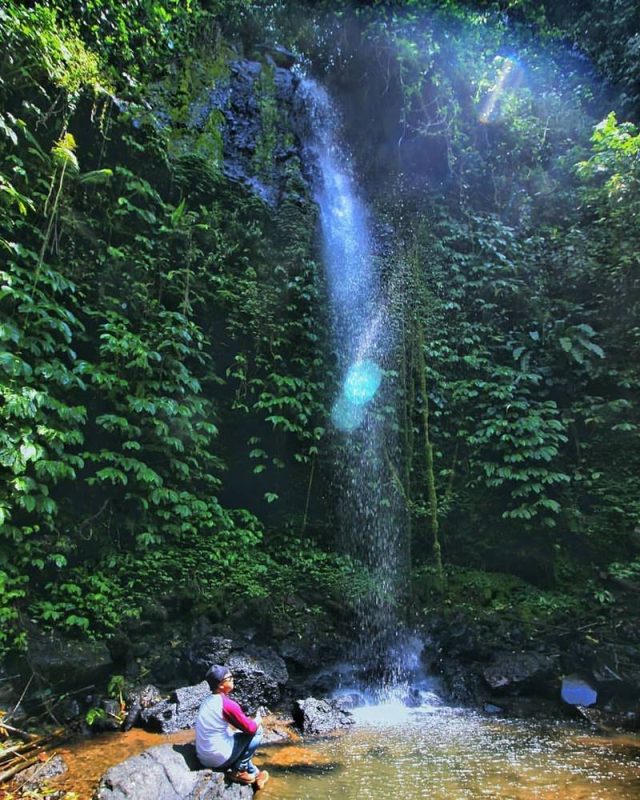
Singsing is associated with the Lovina and Banjar area of northern Bali. Flow can be more seasonal than the most powerful mountain falls; dry-weather visitors should not expect the same appearance shown in a rainy-season photograph. If the waterfall is running low, the surrounding landscape can still be attractive, but the walk must be judged on current conditions. Visitors staying in Lovina should check the actual distance from their accommodation and the usable entrance. A sunset walk at the beach and a hike to Singsing are different activities with different footwear and transport needs.
18. Blahmantung Waterfall
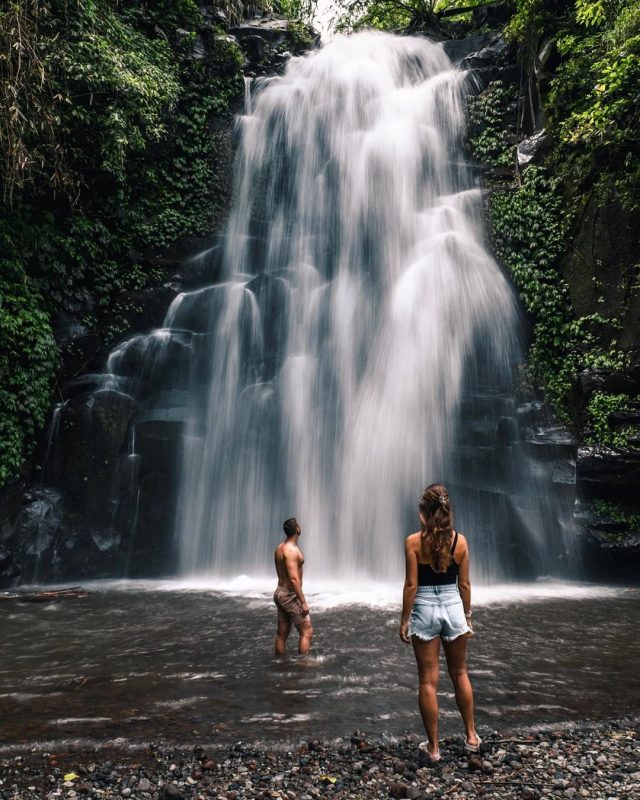
Blahmantung appears again in this legacy list under a second heading. It is another name for the Blemantung destination in the Pupuan area, so this is not a wholly distinct twenty-third or separate waterfall. The original photo and map remain here to preserve the media inventory, but travellers should not add two separate route stops for entries 8 and 18. When researching the Pupuan site, use its established locality and entrance details, confirm present access and compare the map carefully. The duplicate is disclosed rather than silently deleted because the original guide contains separate credited media for both entries.
19. Tukad Cepung Waterfall
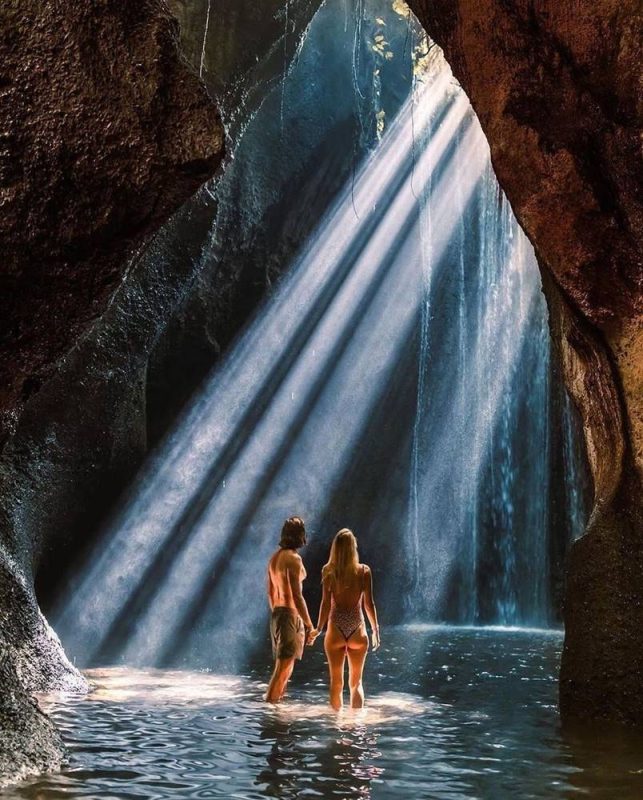
Tukad Cepung lies in Bangli Regency and is especially known for sunlight entering a narrow rocky setting near a cave-like opening. The appeal is its atmosphere and light, not a guaranteed bathing pool. Depending on rainfall, the access path and shallow stream bed can be slippery or experience rapidly changing flow. Follow local closures and avoid the gorge during or immediately after heavy rain. The best light conditions vary with weather and season; do not build a journey around a guaranteed beam of sunlight. Travellers combining this with another Bangli attraction should still allow for winding roads and walking access.
20. Fiji Waterfall

Fiji Waterfall, often included in village-guided trekking around Lemukih and Sekumpul, is part of a northern Bali cascade landscape. Access may involve the same network of hills, steps and river crossings described by the Sekumpul community, but the permitted approach depends on the current guided package. Ask which falls a ticket or trek includes before paying; do not assume all three major cascades are automatically included in every route. The setting is scenic, yet water crossings and high flow can make a trail unsafe. An approved village guide is more reliable than a route improvised from an old embedded map.
21. Carat Waterfalls
Carat is associated with the Tamblang area of Buleleng in northern Bali. Maps and traveller descriptions may refer to more than one drop or viewpoint under the Carat name. Unlike a well-managed city walkway, paths here may be narrow, rough or affected by local land-access decisions. Check the permitted route through village contacts before arriving and avoid entering a river gorge without local advice. There is no photograph in the original entry, but its existing Google Maps embed is retained. Do not promise bathing, jumping or a reliably open ticket booth in the absence of current operator confirmation.
22. Leke Leke Waterfall
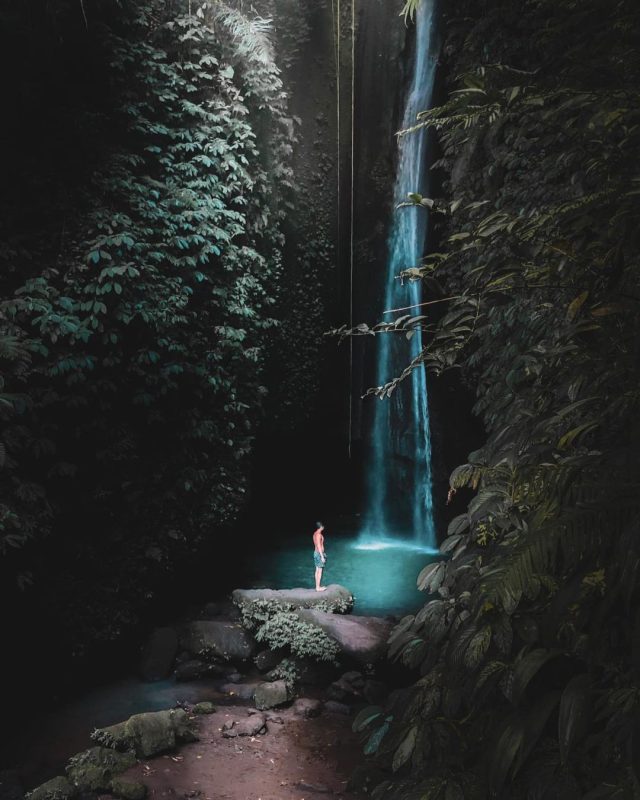
Leke Leke is a highland waterfall in Tabanan, reached by a walk through greenery rather than directly from a main city street. The final approach can be muddy and slippery, and the return climb can be tiring. Although the waterfall is widely photographed against dark rock, flow and surroundings change with rain and maintenance. Check whether the entrance or walkway has temporary restrictions and avoid climbing over safety ropes for a photo. Unlike the Buleleng locations, this is best grouped with other Tabanan or highland outings only when current road conditions support a sensible itinerary.
23. Kanto Lampo Waterfall
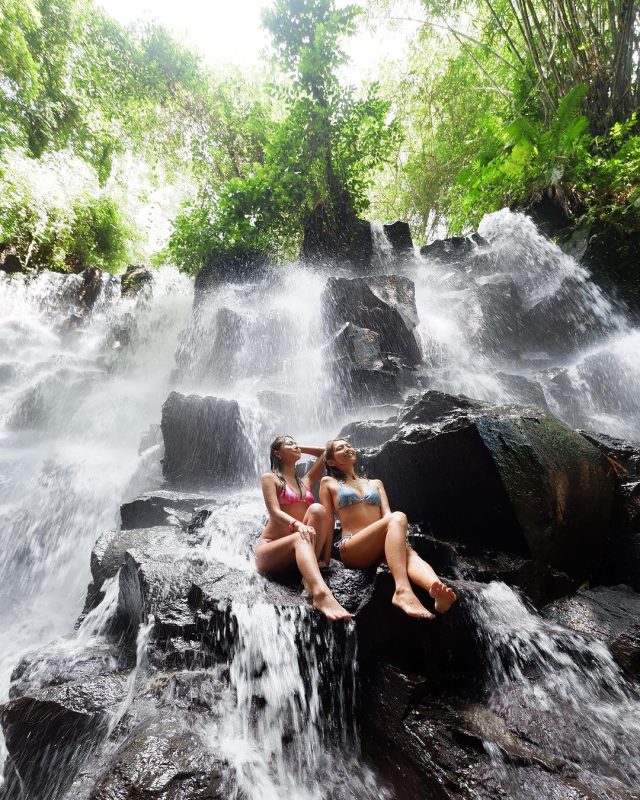
Kanto Lampo is in Gianyar Regency and is known for water fanning across a stepped rock face. It is popular for photographs, but standing close to the cascade can involve wet, uneven rock, moving water and crowds. Ask staff where visitors are allowed to stand; do not interpret social-media photographs as an assurance of safe access or swimming. Water levels can rise after rain, and photo lines may affect the duration of a visit. For a central-Bali trip, it is a separate stop from nearby-looking waterfalls even when they fall within the same regency.
How to Build a Realistic Bali Waterfall Itinerary
North Bali
From Singaraja or a northern base, consider choosing one or two locations around Sambangan, Gitgit, Munduk or Sekumpul according to road and guided-trail access. The Ubud travel guide describes a different base for central Bali and should not be confused with a northern overnight location. For a coastal break after the highlands, Lovina Beach is its own destination, not a waterfall trail.
Central and eastern Bali
For travellers staying near Gianyar or Ubud, select a manageable pair among Tegenungan, Tibumana, Goa Rang Reng, Kanto Lampo and Tukad Cepung, subject to local safety and access. Activities outside waterfalls, such as Mount Batur hiking, have separate guides and physical requirements; do not add them casually to a wet, tiring waterfall day.
Transport, budgets and a change of scenery
Waterfall entrance and parking prices are not universal across Bali and often change with village policy. Budget for local guide services where required, drinking water, legitimate parking and a reasonable return journey. Read our general Bali budgeting discussion as a broad planning comparison, not a current verified price list. If you need a coastal rest day, Sanur Beach is a different kind of destination and Sanur accommodation options may help select a base; neither is next to northern Buleleng waterfalls.
Comparing different natural attractions
Photogenic waterfalls are only one part of Bali’s landscape. The hidden-beaches guide and beach day-trip guide discuss other types of outdoor visits with their own sea and coastal hazards. Waterfall pools, beaches and river crossings demand different safety decisions. Cross-island comparisons can be useful, but do not treat these travel articles as proof that a particular waterfall is open today.
Waterfall Safety and Visitor Etiquette
- Weather: check recent rain upstream, not just whether it is sunny at the parking lot. Bali’s provincial disaster management agency (BPBD) and BMKG issue weather and hazard information.
- Water: never jump or swim in an unassessed natural pool, enter under a heavy torrent or cross a swollen stream. Follow closures and a qualified local guide’s instructions.
- Footing: steps and mossy rocks become slippery; use hiking shoes with grip, bring water and allow enough time for the return climb.
- Protected and sacred places: respect temple dress requirements, community rules, private gardens, farming land and photography restrictions.
- Map accuracy: the 22 historic embedded maps below are retained for navigation context, not independently validated as the current gate or exact permitted route. Confirm new entrances or visitor arrangements before setting out.
Official Sources and Current Checks
- Indonesia Travel: Tegenungan Waterfall and its location.
- Indonesia Travel: Sekumpul Waterfall and northern-Bali heritage.
- Sekumpul village tourism: guided routes, current entry packages and safety advice (verify the responsible local operator before purchasing).
- BMKG: extreme-rainfall and landslide preparedness in Bali.
- Bali Provincial Disaster Management Agency: latest hazard guidance.