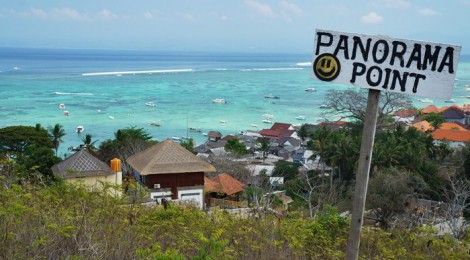
Nusa Lembongan and Ceningan Guide: Yellow Bridge & Coast
Nusa Lembongan and neighboring Nusa Ceningan are two small islands southeast of mainland Bali, connected by the narrow Yellow Bridge. They are known for seaweed-growing communities, colorful lagoon views, cliffside cafés and wave-battered coastlines. The original travel journal on this page documented a two-island day trip with photographs taken in 2014. This updated article retains all eight original photographic caption groups as an archive of that journey while adding independently researched current advice; it does not claim that the author revisited in 2026.
Visitors can explore both islands in one day if they start early and use safe local transport, but the sea conditions around the cliffs demand caution. The attractive blues of the water do not make every cove safe for swimming or cliff jumping.
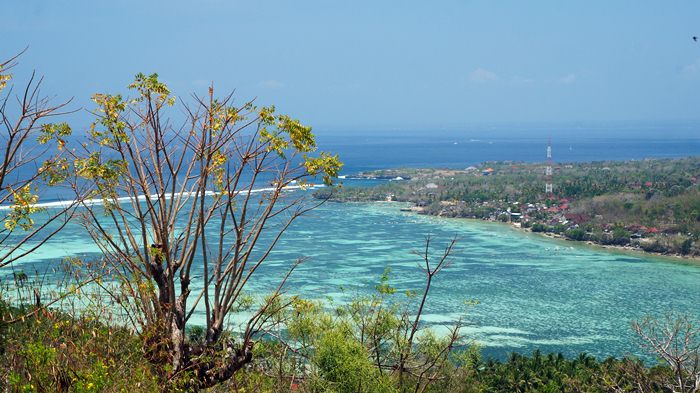
Nusa Lembongan view from Nusa Ceningan Island
Nusa Lembongan and Ceningan 2026 at a glance
- Where: Klungkung Regency, Bali Province.
- Main crossing: the Yellow Bridge, for pedestrians, bicycles and motorcycles subject to local restrictions.
- Key experiences: Jungut Batu viewpoints, Nusa Ceningan’s Blue Lagoon, cliff cafés and Devil’s Tears.
- Getting there: passenger fast boats from mainland Bali, often via Sanur; operator arrival points vary.
- Time: one full day for highlights, with overnight stays better for a slower pace.
- Important safety: large surf, hidden currents and unstable rock edges make cliff jumping and cave swimming dangerous.
For trip context, read things to do on Nusa Lembongan, Nusa Ceningan beaches and the best-known Lembongan beaches.

The bridge which connected between two islands
Crossing the Yellow Bridge safely
The iconic yellow pedestrian-and-motorcycle bridge spans the shallow channel between the two islands. Cars and ordinary minibuses do not cross it. Travelers on foot should stay alert for motorcycles using the narrow deck, and scooter riders need the appropriate license, helmet, insurance and experience. The original bridge collapsed in 2016 and was rebuilt; follow any current weight or access controls without delay.
Indonesia’s official tourism portal explains the crossing and neighboring activities in its Nusa Lembongan and Ceningan guide. For a slower island base, beachside accommodation on Lembongan may make more sense than a hurried boat return.
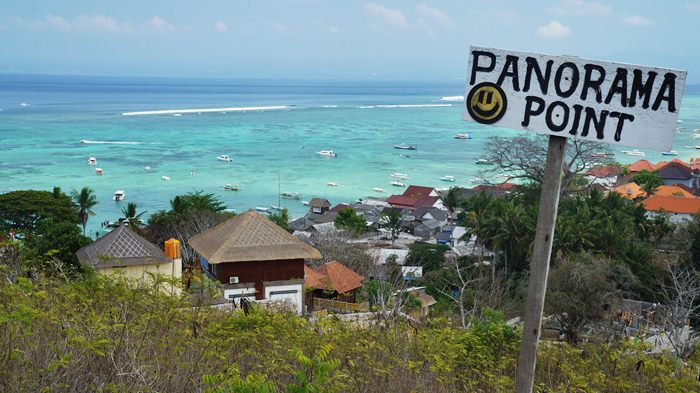
Panorama point not far fron Jungut Batu Village
Exploring Nusa Ceningan: Blue Lagoon and cliffs
Blue Lagoon viewpoints
Blue Lagoon is admired for brilliant blue water and rocky coastal views, but the exposed cliffside is not a safe jumping platform for untrained travelers. Strong surf and unpredictable currents can make even apparently calm conditions dangerous. Use official viewing paths, keep back from crumbling ledges and never imitate risky social media clips.
Cliff cafés and seaweed farms
Small cafés can provide a comfortable break with views across the narrow channel. Some village areas depend on seaweed cultivation, which is an active livelihood; do not walk through seaweed plots or handle equipment without permission. A separate Bali experience is mangrove tourism and its conservation context.

Cliff Jump Point
Back on Nusa Lembongan: Devil’s Tears and the coast
Devil’s Tears is a dramatic rock headland where Indian Ocean swell crashes into limestone, producing bursts of spray. It is a viewpoint, never a swimming site. Unexpected waves have caused fatalities, and a barrier cannot guarantee safety. Keep far from the edge and do not turn your back on the sea while taking photos. Nearby Dream Beach also has a forceful shore break and should only be entered when conditions and local advice support it.
For surfing rather than cliff sightseeing, consult Nusa Lembongan surf breaks and select lessons suitable for your ability. Strong currents and reef require local knowledge. Travelers looking for a calmer beach-focused alternative might choose Sanur Beach on the mainland.

i knew you fall with this blue deep too
How to reach the islands from Bali
Many visitors book a fast boat from Sanur, though some operators use different arrival beaches and landings on Lembongan. Weather can delay or cancel boats, and passengers may need to wade through water when boarding. Verify your operator’s life jackets, baggage policy, last return crossing and island pickup point. Our Sanur accommodation guide and archived Bounty Cruises experience provide distinct transport context, but historic services and prices may no longer be available.
Do not confuse this route with reaching Gili Trawangan, which lies across the Lombok Strait and requires its own boat itinerary.
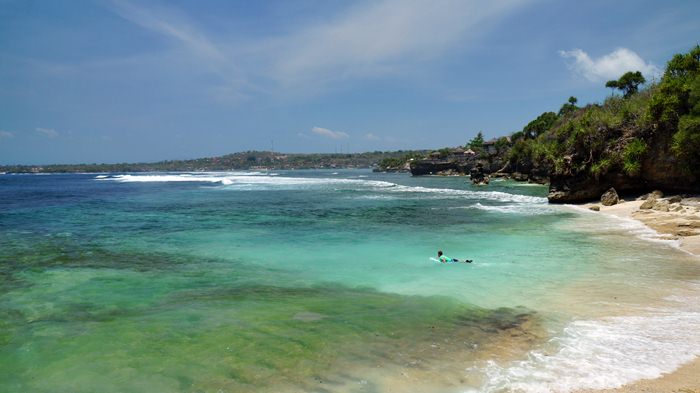
Secret Point Beach, the water here is very cold :D
A realistic two-island day itinerary
Morning: arrive on Lembongan, admire the scenery near Jungut Batu and cross Yellow Bridge on foot. Midday: take photos from designated Ceningan viewpoints and eat locally. Afternoon: return to Lembongan for a café break and a safe Devil’s Tears overlook, then reach the correct pier ahead of the last boat. Avoid high-risk cliff jumping, and do not enter coastal caves at high tide.
If you extend your Bali stay, the Bali activity guide and Bali budgeting tips can help with planning. For other surfing destinations, Bingin Beach and Bali surf beaches are on Bali’s main island and not part of the Lembongan walking circuit.
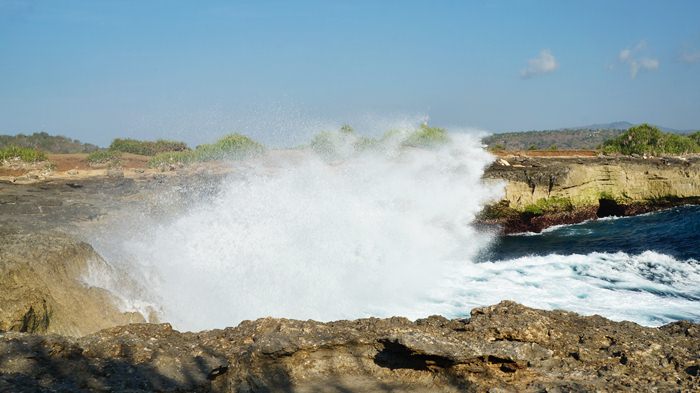
The Devil Tears in action
Practical travel notes
- Carry sun protection, drinking water and comfortable non-slip shoes.
- Respect bridge traffic and do not stop in the middle for group photos.
- Check tide, swell and weather before visiting exposed rock shelves.
- Never climb past barriers or jump from cliffs for photographs.
- Ask permission to photograph seaweed-farming work and local homes.
- Foreign travelers should verify the current Bali provincial visitor levy through official channels.
For island comparisons, Gili Trawangan itinerary ideas, Jemeluk Bay in Amed and Bali coastal day trips belong to separate transport routes.

A moment at Pandan Cafe :)
FAQs
Can I cross the Yellow Bridge in a car?
No. It is a narrow crossing primarily used by pedestrians and two-wheelers under local rules.
Is Devil’s Tears safe for swimming?
No. It is an exposed wave viewpoint and the coastline can be extremely dangerous.
Can I visit both islands in one day?
Yes, with good planning and suitable weather, though overnight stays are more relaxed.
Do I need a motorcycle?
No. Guided transport and walking are alternatives, though distances and heat should be considered.