Tono Iwate Guide 2026: Kappa Legends & Rural Heritage
Tono, a small city in Iwate Prefecture, is famous for its folk tales, particularly the water-dwelling kappa and other supernatural characters recorded in Kunio Yanagita’s Tales of Tono. The stories are part of a living local storytelling tradition, but the city is also a place of farms, river valleys, traditional architecture and careful preservation. The best travel style is slow: explore one or two folklore sites, eat local food and consider a guided visit rather than trying to race through distant rural attractions.
Quick facts and 2026 visiting information
- Area: Tono City, Iwate Prefecture, Tohoku region
- Rail access: JR Kamaishi Line from Shin-Hanamaki to Tono
- Signature themes: kappa folklore, Tales of Tono and rural farm architecture
- Attractions: Kappa-buchi, Tono Furusato Village, local museums
- Distances between sites vary; a bike, taxi or car can help
Check the official sources below before committing to tickets, transport or accommodation. Prices, operating hours, safety restrictions and special events can change with little notice.
What is a kappa and why is Tono famous?
Kappa are mythical creatures associated with rivers and pools in Japanese folklore. Local legends describe their encounters with people and livestock and warn children about dangerous waters. They are folklore, not a species travelers should expect to photograph. Yanagita’s 1910 collection helped preserve oral stories from the area. It includes far more than kappa: stories of mountain spirits, household beings, disappearances and local customs offer a window into the region’s worldview.
Practical detail for independent travelers
Keep the particular destination and season in mind rather than applying advice from a different city. Visitors benefit from reading official notices and confirming the actual facilities available on their travel date.
Kappa-buchi stream and visitor etiquette
Kappa-buchi near Jokenji Temple is a picturesque stream associated with kappa legends. The setting is modest and atmospheric rather than a theme park. Some traditional activities, such as playful ‘kappa fishing,’ may involve a local permit and designated rules. Ask at the visitor office for current details rather than turning up with fishing equipment. Respect religious grounds, protect river banks and do not enter unsafe water.
Timing, reservations and local conditions
Online ticketing, holiday hours and operator rules may change. Where costs are given, they refer to a verified standard ticket or seasonal announcement rather than a promise of future prices.
Relevant guides and routes on IDBackpacker
For a wider itinerary in Japan, compare hanamaki onsen, morioka castle, morioka handi works square, morioka autumn festival. Each covers a different cultural, urban or regional experience and requires its own transport and ticket planning.
More ideas for a multi-day journey
Travelers choosing activities by theme can also consider chusonji temple, geibikei gorge, geibikei gorge river cruises, jodogahama beach. These related attractions are not automatically included with the destination on this page.
Other nearby or comparable destinations
For additional context, read tonomachi dori street, aomori nebuta festival, hirosaki castle, namahage sedo festival. Compare opening days and travel times before putting them on the same afternoon.
Longer extensions beyond the immediate area
If your trip spans more than one city or island, explore naruko gorge, risshakuji temple yamadera, hiraizumi, takkoku no iwaya. Use these as optional comparisons rather than a promise that every place is within walking distance.
Traditional farmhouses at Tono Furusato Village
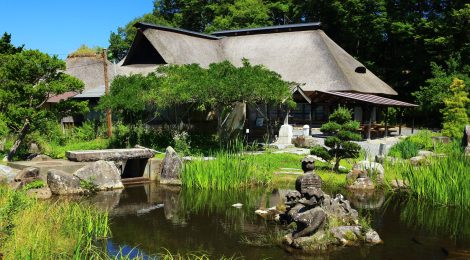
Tono Furusato Village preserves rural architecture, including traditional bent or L-shaped houses associated with regional agricultural life. Visitors can see how people, animals and workspaces once related to one another. The site operates more like an open-air heritage museum than an ordinary shopping street. Exhibitions and cultural demonstrations may change by season; check admission and specific demonstration dates with the operator. Wear shoes suitable for outdoor paths, especially after rain.
Access and responsible visitor behavior
Consider travel time, station exits, luggage and weather when choosing a route. Map estimates rarely account for time spent waiting at a rural stop or attraction entrance.
Folklore museums, storytelling and nearby temples
A folk museum or storytelling session can bring historical context to places that would otherwise appear like ordinary countryside. The city has heritage associated with Buddhist sites such as Fukusenji, and local crafts reveal changing domestic life. English interpretation varies, so travelers may benefit from a knowledgeable guide or translated reference. Ask whether photography is allowed during demonstrations; the privacy of storytellers and local residents matters.
What to confirm on the day
Avoid adding distant attractions simply because they appear on a regional map. Set aside time for meals and choose local services that respect residents, staff and public spaces.
Getting to Tono and planning an Iwate route
Take the Tohoku Shinkansen to Shin-Hanamaki, then the JR Kamaishi Line toward Tono. Rural train frequency is limited, so check the return timetable before setting off. By car, several folklore destinations can be combined, but country roads may be snowy in winter. A day trip can include the town center and one rural attraction; an overnight stay provides more room for local food and countryside scenery. Tono is part of Iwate, not Aomori or Hokkaido.
Tips for building a realistic itinerary
Plan a flexible itinerary with a bad-weather alternative. Respect any restrictions and keep enough time for the last bus or train.
Frequently asked questions
Is Tono’s kappa real?
Kappa are characters from local folklore; the historic stories are the attraction.
Can Tono be visited by train?
Yes, but services on the rural Kamaishi Line may be limited.
How much time should I spend in Tono?
One full day is a good starting point; stay overnight for rural sites.
Final planning reminder
Before travel, check any local closures, weather conditions, transport schedule changes and the actual admission policy for your date. Visitors should follow staff instructions and avoid entering closed or dangerous sections.
Location and directions