Best Things to Do in Wakatobi Beyond Diving (2026)
Wakatobi is an island regency in Southeast Sulawesi, Indonesia, renowned for marine biodiversity yet equally rewarding for its coastal villages, distinctive food, island viewpoints and longstanding maritime traditions. Its name comes from four main inhabited islands: Wangi-Wangi, Kaledupa, Tomia and Binongko. Visitors who only book a single dive trip miss a bigger story of fishing communities, local foodways and landscapes shaped by the sea.
This practical guide covers the best experiences for divers and non-divers, how to organize responsible village visits, inter-island transport and what to check before traveling. Our Wakatobi National Park overview provides a complementary introduction. Population, species and coral-percentage claims repeated in old travel articles are often poorly sourced; Wakatobi is part of the Coral Triangle, but claims such as ‘90% of the world’s coral species live here’ should not be presented as established site-specific figures.
What to know before traveling to Wakatobi
- Location: Wakatobi Regency, Southeast Sulawesi, Indonesia.
- Four main islands: Wangi-Wangi, Kaledupa, Tomia and Binongko.
- Activities: diving, snorkeling, village heritage, food, viewpoints and quiet beaches.
- Trip length: at least four or five days if visiting multiple islands because sea connections take time.
- Flights and boats: schedules to Matahora/Wangi-Wangi and inter-island routes change; confirm current service directly before buying onward tickets.
- Conservation: marine park and community rules apply to reef areas, fishing grounds and wildlife encounters.
The Indonesian tourism ministry’s Wakatobi destination page offers current official context for exploring the regency. For another Indonesian marine destination, compare Samalona Island near Makassar as a separate island holiday rather than assuming the two are directly connected.
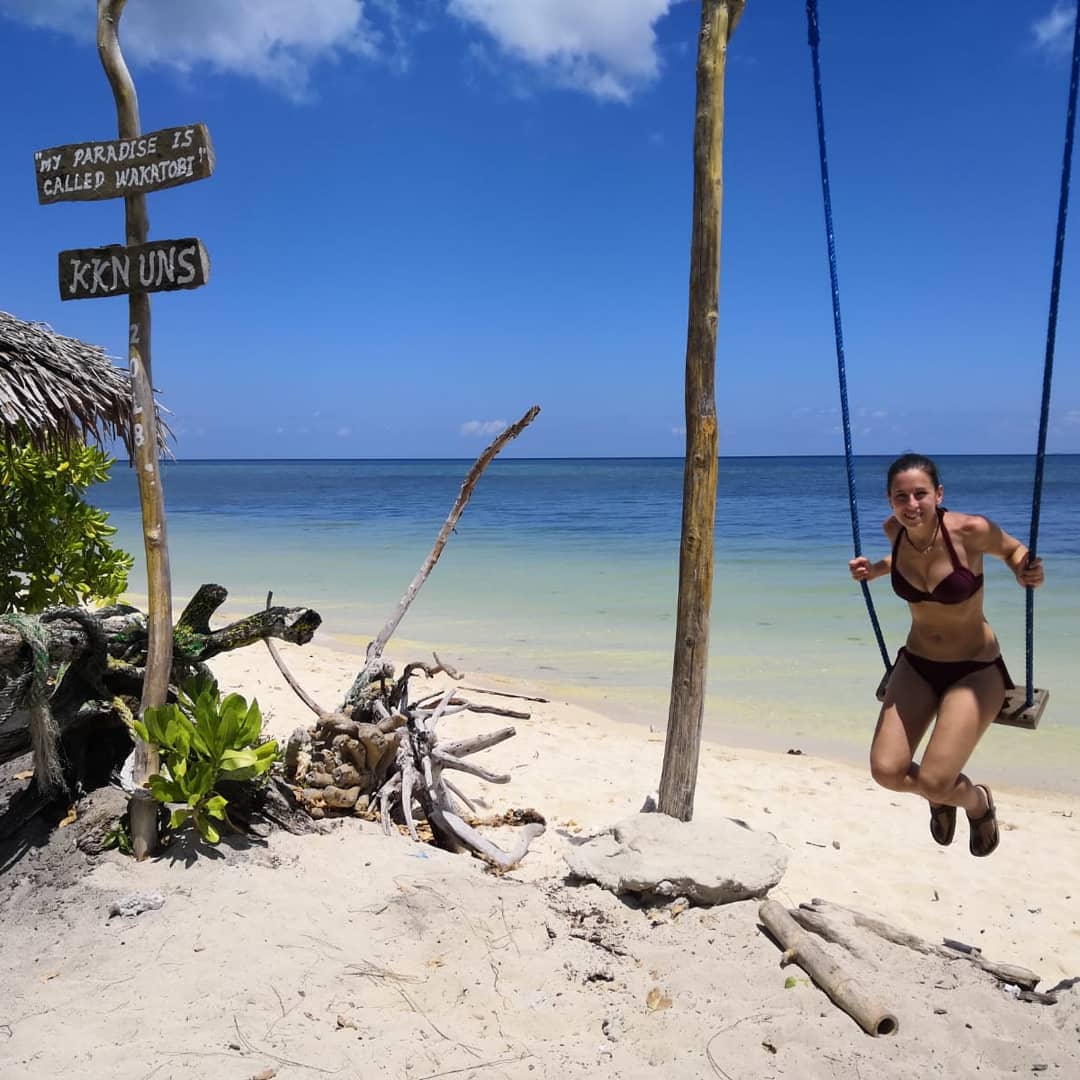
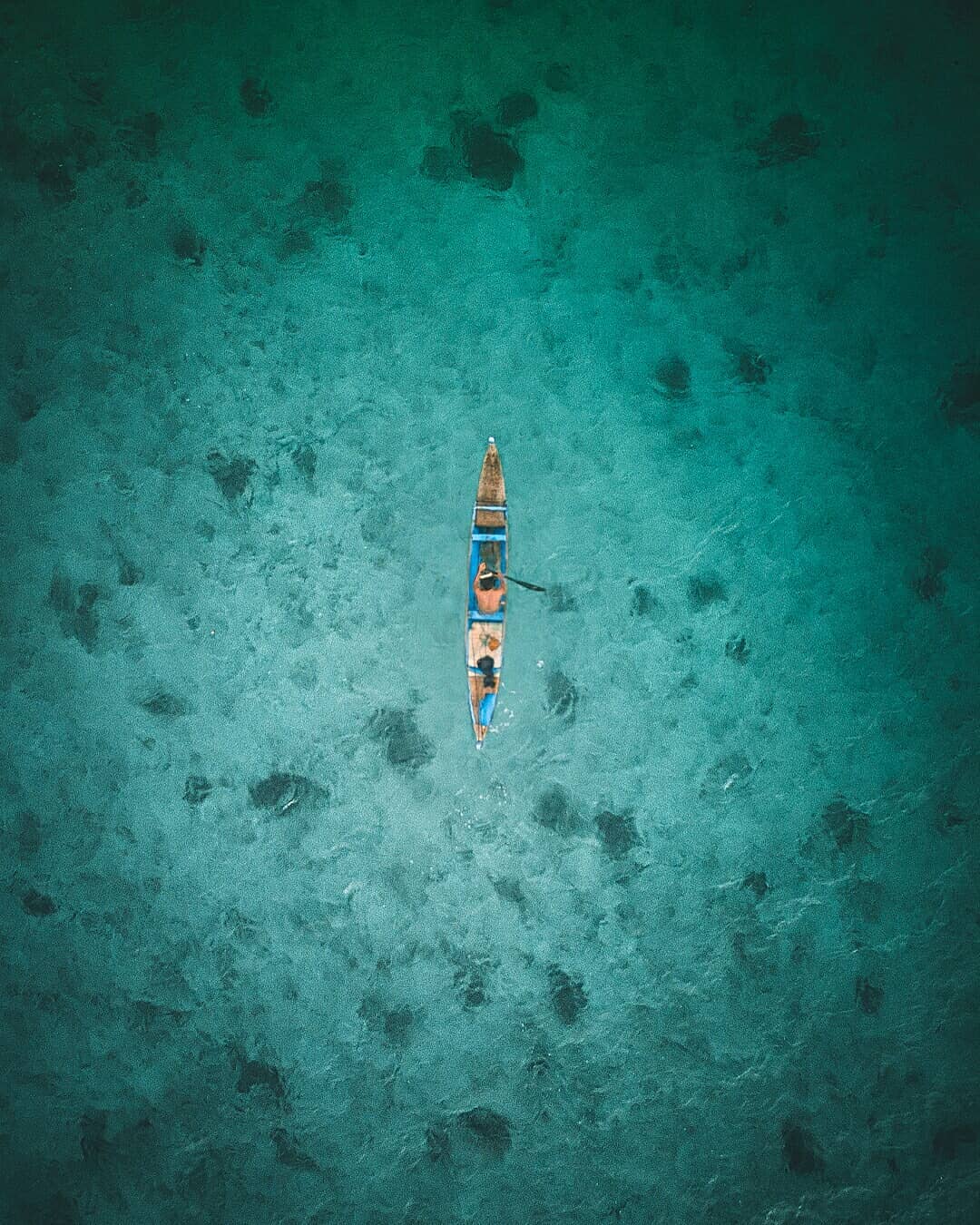
What Is Best Thing To Do In Wakatobi National Park!? via @ilaria_riva_
Best experiences beyond scuba diving
1. Snorkel respectfully above the reef
Wakatobi’s reef shallows can be beautiful even for visitors who do not scuba dive. Choose locally knowledgeable guides and suitable floatation, stay out of strong currents and never stand on or touch coral. Keep distance from turtles and other wildlife. If you want to compare other Indonesian snorkeling destinations, read about the island diving culture at Ishigaki for an international contrast; it is in Japan, not Sulawesi.
2. Explore Tomia’s Roma dive site with qualified guides
The Roma reef near Tomia is known for impressive reef formations and fish life, but it is a true scuba site, not necessarily a place for an untrained swimmer. Visibility and current vary. Divers should verify certification, emergency oxygen and marine conditions with their operator. Experienced travelers interested in Indonesian reefs can also research the Thousand Islands near Jakarta on a separate holiday or stay within the Wakatobi island group for a carefully planned itinerary.
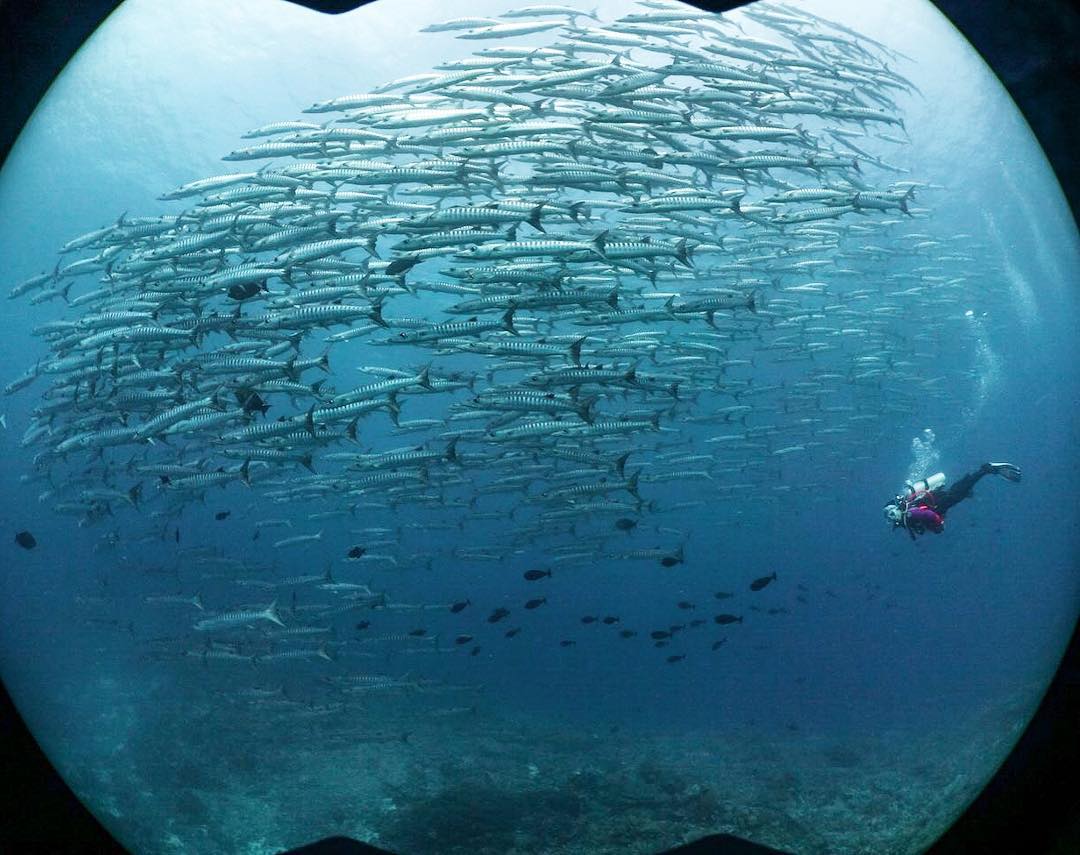
Explore And Dive Roma Point, a diving spot in Wakatobi with thousands of color marine life! via @simurbey
Viewpoints, villages and local culture
3. Watch the sunset from Bukit Kayangan on Tomia
Kayangan Hill is a popular place to look out over Tomia’s coast. Go with a local guide when conditions or access are unclear, carry water, and never enter cultivated or private land without permission. Sunset colors and visibility depend on weather rather than being guaranteed.
4. Learn about Bajo maritime heritage with consent
Some Bajo communities in the Wakatobi region live in settlements tied closely to boats and the sea. These are people’s homes, not open-air museums. Choose a community-led visit, request permission before taking pictures, avoid using intrusive ‘primitive tribe’ language, and consider buying locally made products or paying fairly for guiding. The original article mentioned Mola village on Wangi-Wangi; verify local visitation rules before arriving unannounced.
5. Visit the villages of Kaledupa and Binongko
Community life, boatbuilding, small markets and everyday food culture can be highlights when approached respectfully. Travel between islands may require charter boats or scheduled public services with changing departure days, so confirm return transport and weather before visiting a more remote island.
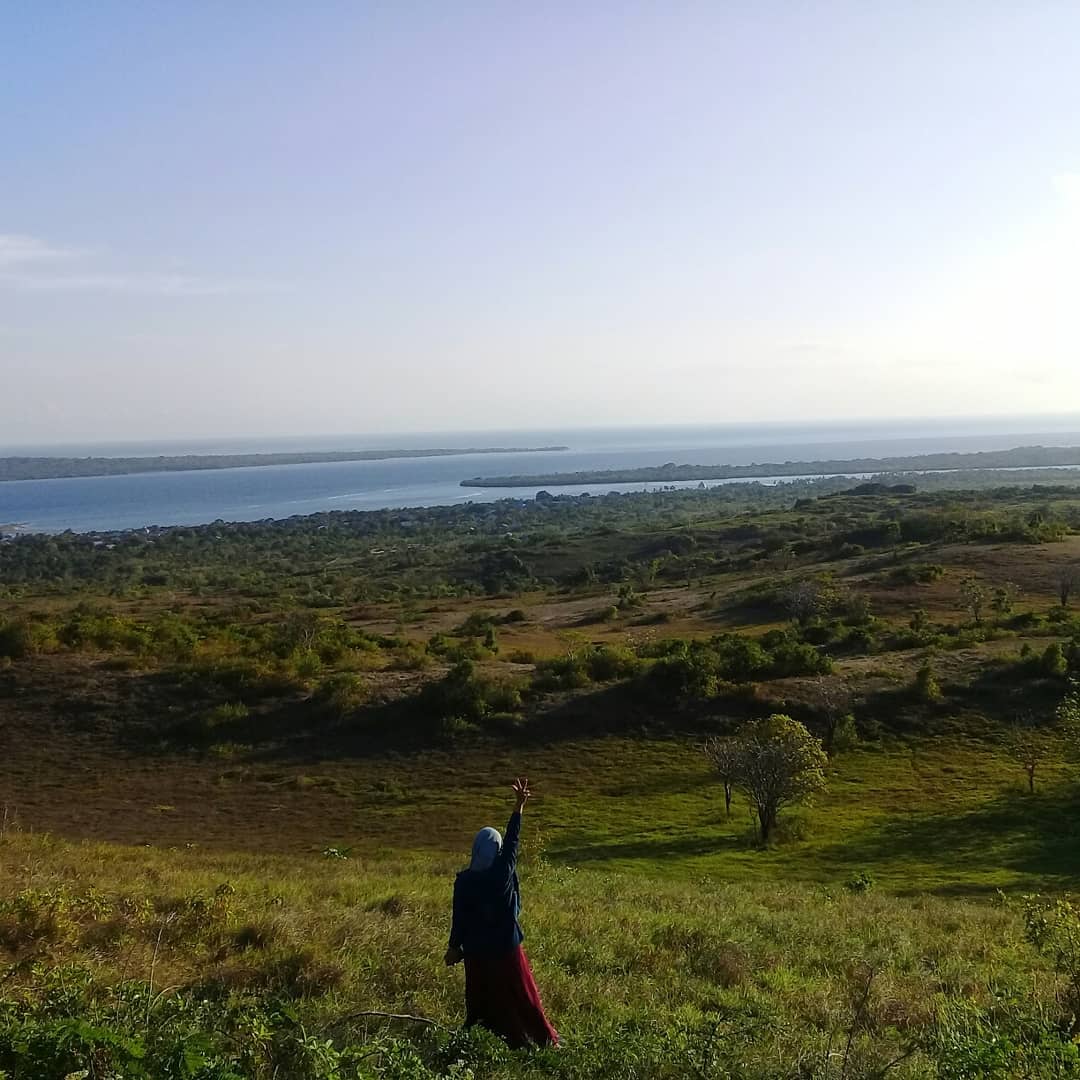
Climb Bukit Kayangan Or Puncak Kahianga in Tomia to enjoy the most beautiful twilight in Wakatobi! via @strahmi1604
Wakatobi food: kasuami and everyday island dishes
Kasuami is a traditional steamed preparation made from cassava, often served with fish and other accompaniments. You may also encounter locally prepared rice, seafood, grilled fish and regional specialties reflecting the islands’ maritime connections. Rather than assuming a single restaurant is open, ask your host for family-run warungs and explain dietary restrictions clearly. Keep reusable water bottles and reduce single-use packaging on boat journeys.

Taste delicious Wakatobi cuisine and culinaries such as Kasuami and Luluta is one of the best Things to do in Wakatobi. via @andarwansyah
How to reach and travel around Wakatobi
Wangi-Wangi is the principal arrival hub for the regency, but flight schedules can be limited or irregular. Travelers may route through Southeast Sulawesi hubs such as Kendari and onward by air or sea when services are operating. Do not assume all islands are linked by daily fast boats or that the last departure runs in bad weather. If planning multiple islands, confirm your return journey first and allow a day of buffer time before international flights.
For travelers building an Indonesian island itinerary, the marine regions around the Mentawai Islands of West Sumatra and Gili Trawangan are geographically distant alternatives. Our Bali waterfall map and Wakatobi destination serve different travel interests—choose based on transport and trip length rather than trying to combine all in one short holiday.
Bajo tribe people are living in Wakatobi National Park. @icannotknow
Environmental and visitor safety
- Never touch or stand on coral and keep fins away from delicate reef surfaces.
- Choose boat captains who carry life jackets and follow current weather advice.
- Carry essential medicine and understand the distance to qualified medical care on remote islands.
- Ask permission for portraits and house visits in coastal villages.
- Never feed wildlife or collect shells, coral or protected organisms.
- Use reef-conscious sun protection and reduce litter that can harm marine life.
Indonesia offers varied maritime experiences: travelers deciding between eastern regions may also compare Borneo wildlife for nature and the marine park, while Pink Beach in eastern Lombok is another distant island-coast alternative.
How to compare Wakatobi with other Indonesian islands
For snorkeling rather than deep diving
Wakatobi’s underwater scenery is outstanding, but choosing a destination should be guided by your comfort in the water, ability to reach remote medical care and available local services. First-time visitors who prefer more established tourist infrastructure might compare Gili Trawangan’s island activities or Nusa Lembongan’s shallow-water experiences. These are geographically distant Bali–Lombok alternatives rather than extensions of Wakatobi’s boat network.
For surf and beaches
Wakatobi is best chosen for culture, reefs and local-island life, not for big-wave surf holidays. Surf-focused travelers can instead investigate Nusa Lembongan surf breaks or the coastal diversity of Lombok. Transport times, surf conditions and local access rules vary and should not be treated as interchangeable.
For wider Indonesian cultural immersion
If your priority is traditional communities and regional heritage, allow enough time for an overland Sulawesi route to Tana Toraja on a separate journey. Its highland rituals and architecture are entirely different from Wakatobi’s Bajo and island settlements. Respect for resident communities and local photography customs is crucial in both places.
Suggested five-day Wakatobi itinerary
Day 1: arrive on Wangi-Wangi, rest and explore nearby food and village life with a local host. Day 2: take a guided reef outing suited to your swimming ability. Day 3: transfer to Tomia if the ferry is operating and enjoy an evening hill view. Day 4: choose a certified diving excursion or a community-led cultural visit. Day 5: return toward your departure island with a weather buffer. Adjust the entire plan to boat schedules rather than forcing an unrealistic daily island hop.
For a longer Indonesian adventure, our Bali activity guide, Lombok waterfalls and Wakatobi National Park guide are useful examples of very different islands and environments.
Frequently asked questions
Is Wakatobi worth visiting if I do not dive?
Yes. Snorkeling, villages, food, viewpoints and quiet islands are important reasons to visit, but availability depends on weather and local arrangements.
How many days do I need?
Around five days allows room for basic exploration; more time is better for multiple islands.
Are boats between the islands daily?
Not necessarily. Always verify specific dates, ports and weather restrictions locally.
Can I photograph Bajo villages?
Seek permission and choose a locally supported visit rather than assuming private homes are tourist attractions.