
Thailand Beaches by Month: 2026 Coastal Travel Guide
Thailand has beaches for every season, but no single coast offers guaranteed dry weather all year. The Andaman Sea, the Gulf of Thailand and the eastern islands near Trat face different monsoon patterns. A well-planned island trip therefore begins with where you are going and when, not just a list of beautiful photographs. This updated guide replaces old all-year recommendations with a region-by-region seasonal approach.
The biggest mistake is assuming that the Andaman high season also applies to Koh Samui or Ko Chang. Offshore wind and wave conditions affect ferry crossings, diving and swimming even on sunny days. Use this guide with Thailand’s government seasonal advice and select an itinerary with a weather buffer. Our Ko Chang travel guide covers one eastern island in depth.


Best Thailand beach destinations by month
- January–March: Andaman coast at Phuket, Krabi and Ko Lipe usually offers more favorable seas; eastern Trat islands can also be comfortable.
- April: generally good for Gulf islands and still often workable on the Andaman coast, with increasing heat.
- May–September: Koh Samui, Koh Phangan and Koh Tao may be a better seasonal choice than exposed Andaman beaches, though rain and local storms remain possible.
- October: transitional month; both coasts can be wet and boat access can be affected. Treat sweeping perfect-weather claims with caution.
- November–December: Andaman destinations and eastern islands typically improve, but the lower Gulf around Samui can be especially wet.
These are broad tendencies, not a day-specific forecast. Thailand’s official tourism guide explains differing patterns among the Andaman and Gulf coastal regions. Use local marine forecasts before any crossing.



Andaman Sea: Phuket, Krabi and Ko Lipe
Phuket and Phang Nga
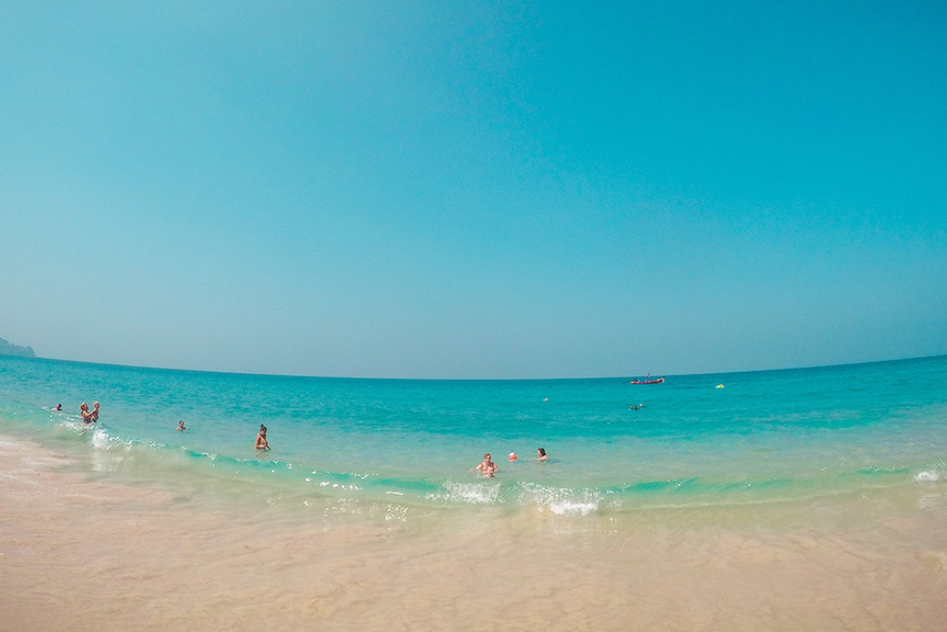
Phuket has direct international air connections, beaches for different budgets, markets and access to surrounding islands. November through April is usually the more favorable window for boat excursions and swimming, especially December to March. During the southwest monsoon, dangerous surf can affect west-facing beaches; red flags mean stay out of the water. Travelers wanting a practical starting point can read our Phuket destination guide.
Krabi and the islands
Krabi makes a useful base for limestone cliffs, Railay-area scenery and island tours, but exposed beaches and speedboat routes are not equally usable in heavy weather. Book refundable excursions where possible and reserve a free day before a major flight. See the Krabi overview and Ko Phi Phi for more on these different coastal settings.
Ko Lipe and southern Andaman waters
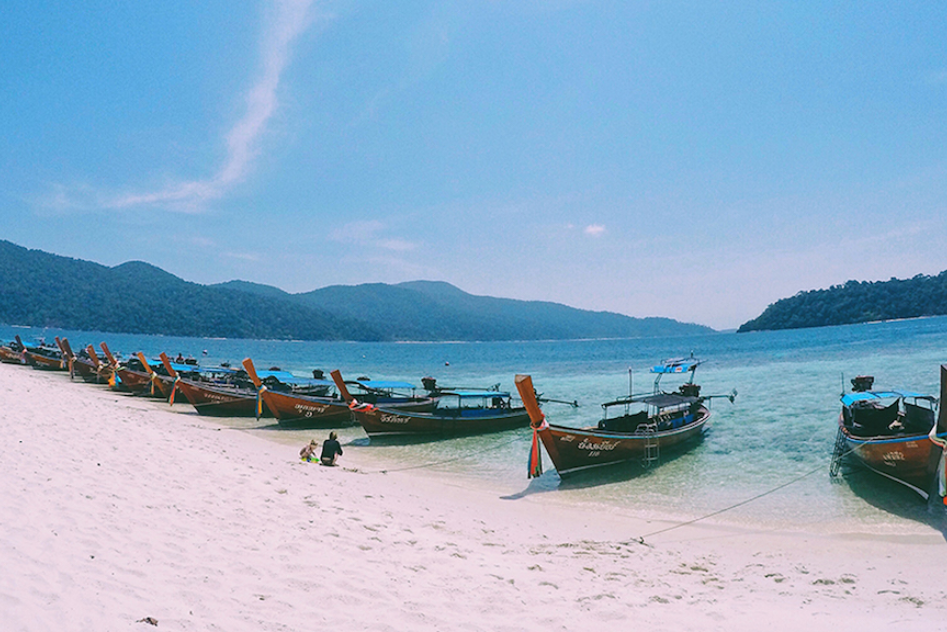
Ko Lipe is reached by boat from Pak Bara in Satun, with changing seasonal routes to other islands. Some surrounding marine park areas have seasonal restrictions; entry fees and island access policies should be checked through operators and authorities, not repeated from a 2023 article. The old fixed THB 40 park-fee claim should not be used as current pricing.


Gulf of Thailand: Ko Samui and Ko Tao
Ko Samui and Ko Phangan
These islands have a weather rhythm that differs from Phuket. Much of February to August can be comparatively suitable for beach trips, although afternoon rain still occurs. The northeast monsoon can bring very wet conditions around October–December, particularly November. Do not make non-refundable boat and hotel plans solely because another part of Thailand is dry in November. Our Ko Samui travel guide covers practical island choices.
Ko Tao diving
Ko Tao is renowned for dive training and snorkeling, yet visibility, currents and boat access are season-dependent. Choose licensed instructors, ask about conditions and do not pressure operators to sail in unsafe weather. Diving certification requirements vary with depth and operator. Families or non-divers may prefer beach coves and viewpoints; the island is not exclusively for underwater activities.

Eastern islands: Ko Chang, Trat and nearby beaches
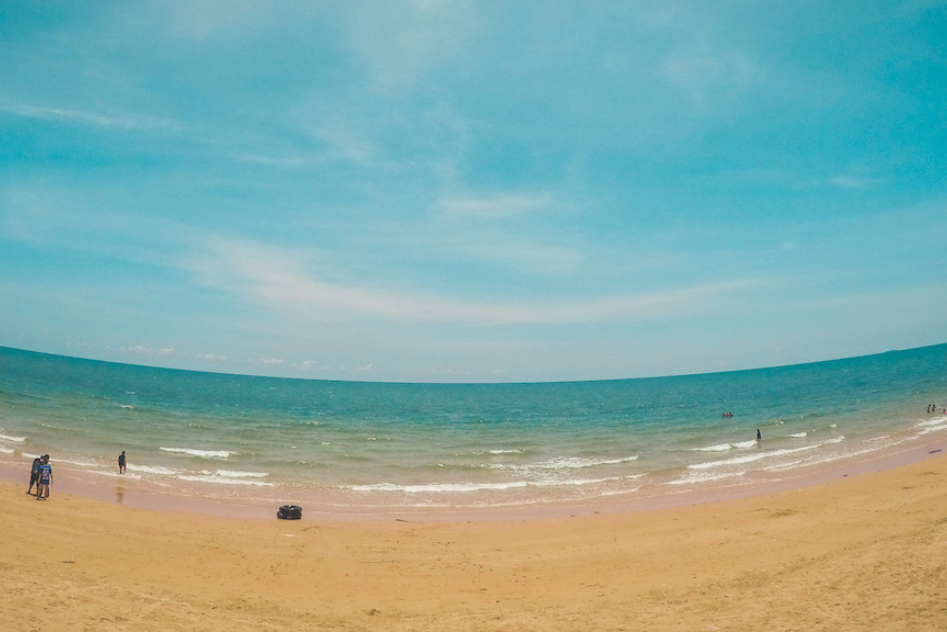
Ko Chang and the surrounding islands are influenced by heavy wet-season rain, particularly during roughly May–October. Trat province has spectacular forest and marine landscapes, yet its eastern islands do not share the same ideal window as Ko Samui. November through April is generally more favorable for beach and boat activities. From Bangkok, reach Trat or the mainland piers by road, then take the designated ferry; specific piers and operators can change. Our Ko Chang guide offers beach and ferry planning, while Pattaya provides a different seaside trip closer to Bangkok.
For a more relaxed land-based Gulf option, consider Hua Hin. Its access, accommodation and family activities are different from the offshore islands, and it can be a practical choice when rough seas make boats less attractive.


Choosing an island for your travel style
For first-time independent travelers
Phuket and Krabi offer broad flight and hotel choices. Ko Samui has a developed tourism infrastructure, though travel costs vary widely. Ko Chang can feel greener and less developed in some areas, but its hilly roads require caution. Compare your preferred beach atmosphere, budget and transport tolerance rather than assuming bigger islands are always easier.
For diving and snorkeling
Pick your destination around actual dive-shop safety information, the suitable season and marine conservation rules. Avoid touching coral, use reef-conscious conduct and never chase wildlife. National park closures protect ecosystems and visitors; tour availability is not proof that all beaches or islands are open.
For scenic drives and food
Chanthaburi and the mainland eastern coast offer local markets and fruit-growing communities as alternatives to constant speedboat transfers. Travelers already based in Bangkok can explore Bangkok wellness and massage options between coastal trips, or use our Bangkok-to-Pattaya transport guide to plan an overland beach extension.
Practical transport and monsoon safety
- Separate weather from sea state: sunshine does not mean ferries, dive boats or swimming are safe.
- Respect beach flags and park closures: do not enter water when lifeguards signal unsafe conditions.
- Confirm ferry pier and operator: services can be suspended or rerouted by weather and commercial changes.
- Allow buffer days: avoid depending on the last speedboat before an international flight.
- Bring dry protection: protect passports and electronics during crossings.
- Use reputable operators: ask about life jackets, vessel safety and whether a tour will be cancelled in rough conditions.
For travel logistics beyond beach activities, check our Thailand electrical plug guide and Hat Yai guide if crossing through southern Thailand.
Frequently asked questions
Can I visit Thailand’s beaches all year?
Yes, there are beach destinations to consider in every month, but no specific coast or island is guaranteed safe, sunny or calm all year.
Is Koh Samui good in November?
November is commonly one of the wettest months around Koh Samui. If you have flexibility, Andaman destinations often offer a better seasonal option.
Which Thai beaches work in July?
The lower Gulf islands may compare favorably with the west-coast Andaman monsoon, but local forecasts and water conditions still control safe activities.
Can I visit Ko Chang in the rainy season?
Sometimes, but expect frequent rain and more uncertain boat or outdoor activities, especially during the heaviest monsoon months.
Official references
- Thailand government: best beach seasons by coast
- Tourism Authority of Thailand: Trat and Ko Chang overview
- Thai Meteorological Department: current forecasts and weather warnings
- Tourism Authority of Thailand: destination and event updates
Originally posted 2025-11-24 12:18:22.